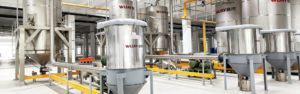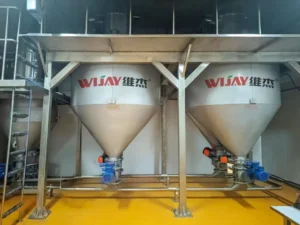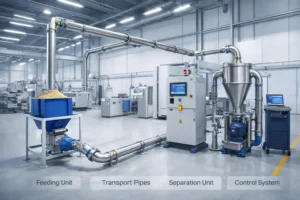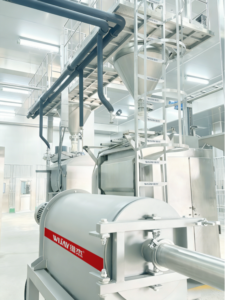
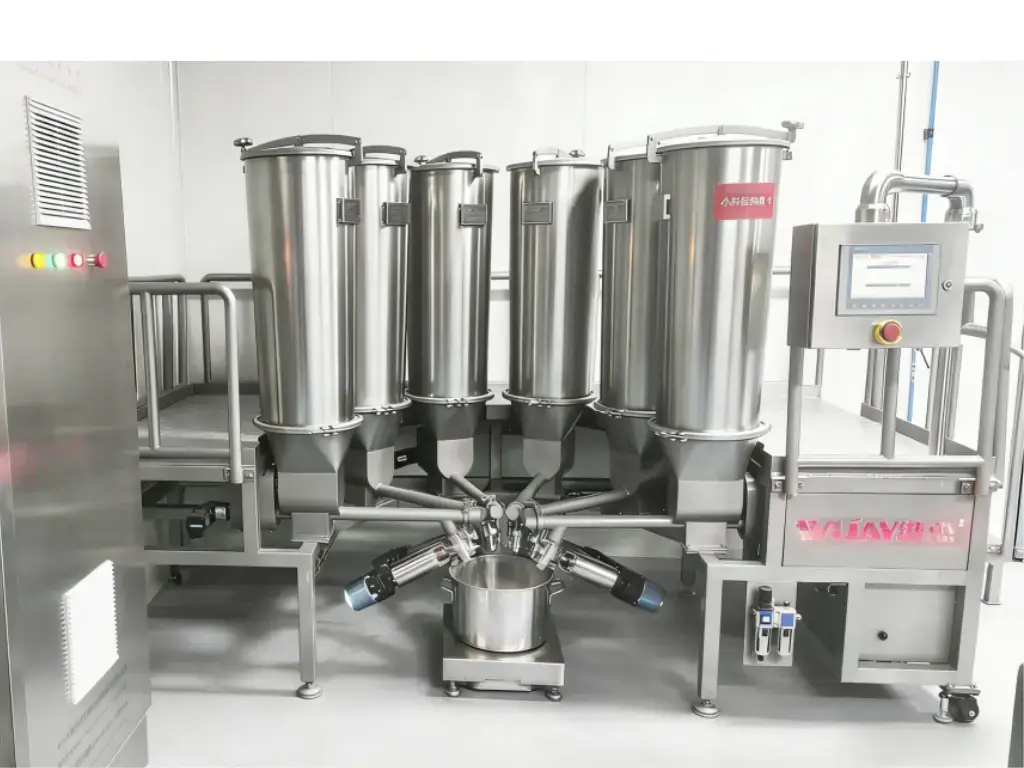
In the food, health food, and seasoning industries, the accuracy of minor ingredient batching directly affects product quality and flavor consistency. To help a large food group improve production standardization, Wijay Systems designed and built a high-precision automated minor ingredient batching system for food manufacturing. The system handles intelligent weighing, conveying, and feeding of multiple minor ingredients, reducing manual errors and improving batch-to-batch consistency.
Project Background
The customer produces compound seasonings, health foods, and other product lines. Its production process requires dozens of minor ingredients, including spices and functional additives. Traditional manual batching created common problems: weighing errors, cross-contamination risk, and low efficiency.
Wijay Systems provided a customized, full-process automated minor ingredient batching solution. The scope covered storage, weighing, mixing, and CIP cleaning systems, meeting the customer’s dual requirements for precision and hygiene.
Core Advantages of the Solution
1. Microgram-level precision control. The system uses imported weighing modules and self-developed compensation algorithms. At critical batching stations, the dosing error is kept at or below 0.1%. This level of control is important for minor ingredients because small weight differences can change flavor, function, or compliance with product specifications.
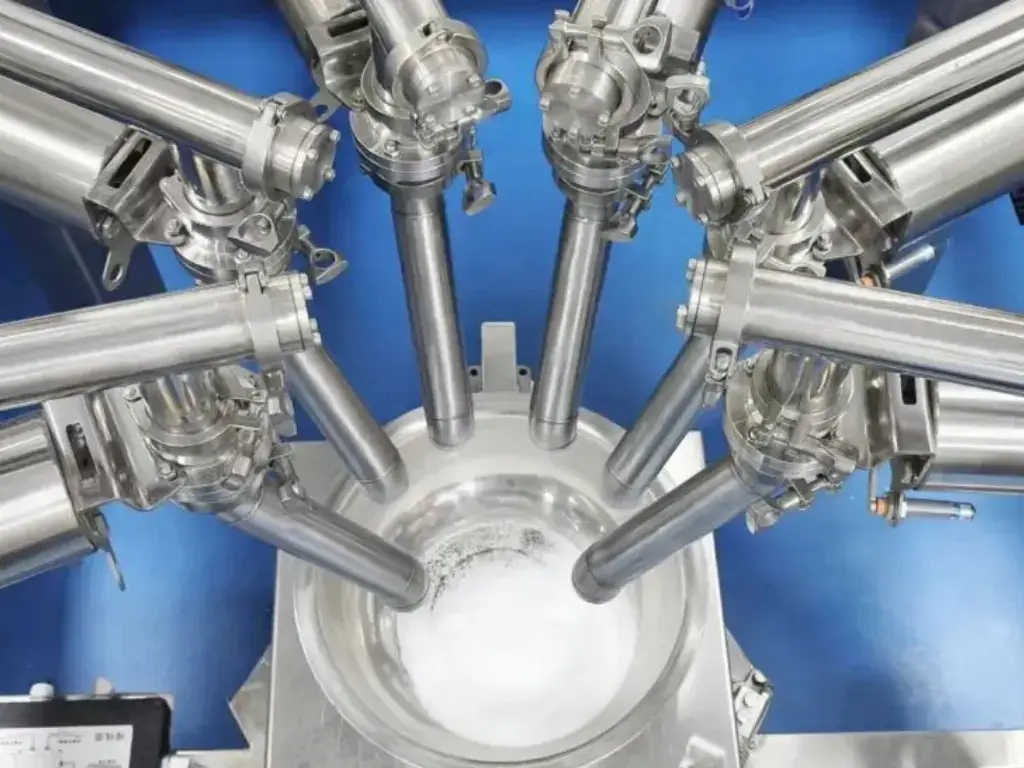
2. Anti-cross-contamination design. The system uses zoned enclosed conveying and pneumatic cleaning. Minor ingredients move through closed paths rather than open containers, reducing dust and preventing one ingredient from contaminating another. The design complies with GMP and HACCP standards, which is especially important when a plant handles allergens and non-allergens in the same production area.
3. Intelligent recipe management. The batching system connects seamlessly with the customer’s MES. Operators can switch recipes with one click, and the system prevents incorrect recipe selection through access control and batch logging. This reduces human operation errors and makes production data easier to trace.
4. Flexible expansion. The system uses a modular architecture. It supports adding new ingredient types and increasing production capacity later without rebuilding the entire line. For food manufacturers, this means the automation investment can grow with product lines and market demand.
Customer Value Improvement
After the system was commissioned, the customer achieved clear improvements:
- Batching efficiency increased by 50%, and manual intervention decreased by 80%.
- Raw material waste was reduced by 20%, saving more than RMB 1 million per year.
- Product batch consistency reached an industry-leading level, and customer complaint rates dropped by 90%.
These results did not come from a single piece of equipment. They came from a complete batching process that combines accurate weighing, enclosed conveying, recipe control, and clean-in-place design.
Five FAQs About Automated Minor Ingredient Batching
Q1: What does “high precision” mean in real production?
For critical batching stations, the system can keep dosing errors at or below 0.1% using imported weighing modules and compensation algorithms. Micro-dosing stations can reach microgram-level resolution. The exact result depends on ingredient flow properties, so it is always best to test with the actual materials used in the plant.
Q2: Can the system handle allergens and non-allergens on the same line?
Yes, but the design must be correct. Zoned enclosed conveying and validated CIP routines between recipes are essential. The time to plan this is during engineering design, not after installation. Proper zoning reduces cross-contamination risk and supports GMP and HACCP compliance.
Q3: How does the system integrate with an existing MES?
The batching system communicates with the MES for recipe download, batch logging, and access control. Integration time depends on the MES data structure and interface requirements. For a standard line with a clear interface specification, commissioning usually takes a few weeks. The key is to define the interface early.
Q4: Is the modular design really expandable?
Yes. The modular architecture allows the customer to add new ingredient types, dosing stations, or capacity in the future. However, expandability depends on the control platform. A system is only truly modular if the software and hardware architecture support later expansion from the beginning.
Q5: What is the typical payback period?
Many food plants see payback within one to two years. The main drivers are reduced raw material waste, lower manual intervention, and fewer rejected batches. In this project, raw material waste reduction alone saved more than RMB 1 million per year, which shortens the payback period significantly.
About Wijay Systems
Wijay Systems has focused on material automation for 15 years. The company serves food manufacturers with material automation systems, from single equipment to complete intelligent material flow solutions. Its capabilities include a 20,000 m² intelligent manufacturing base, a 3,000 m² R&D center, a Hong Kong international business center, and a European after-sales service network in Poland. Wijay Systems is a high-tech enterprise with more than 80 patents and continues to support food plants with practical, engineering-driven automation.
If you are reviewing minor ingredient automation for your food production line, the engineers at Wijay Systems are happy to review your process and share what has worked in similar food plants. Learn more at www.wijaysystems.com.