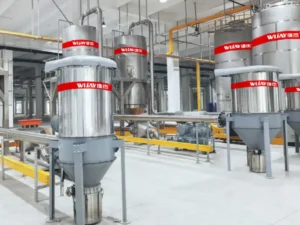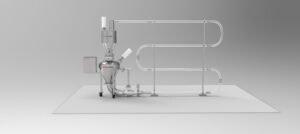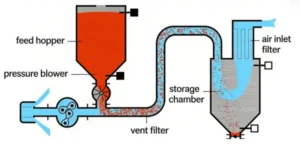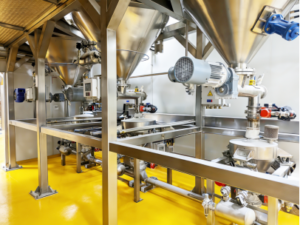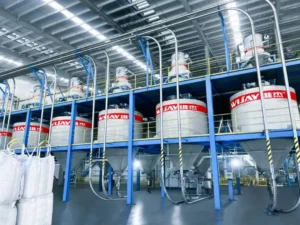
If you are looking for an automated powder handling system with bin flow aids, you already know the problem: powder that bridges, rat-holes, or floods can bring an entire production line to its knees. In modern powder processing, flow is not a small detail. It is the difference between steady output and constant manual intervention. Whether you handle food ingredients, pharmaceutical powders, chemicals, or construction materials, an automated system is only as good as its ability to keep material moving. Bin flow aids are the components that make that happen.
Why Powder Automation Needs More Than Conveying
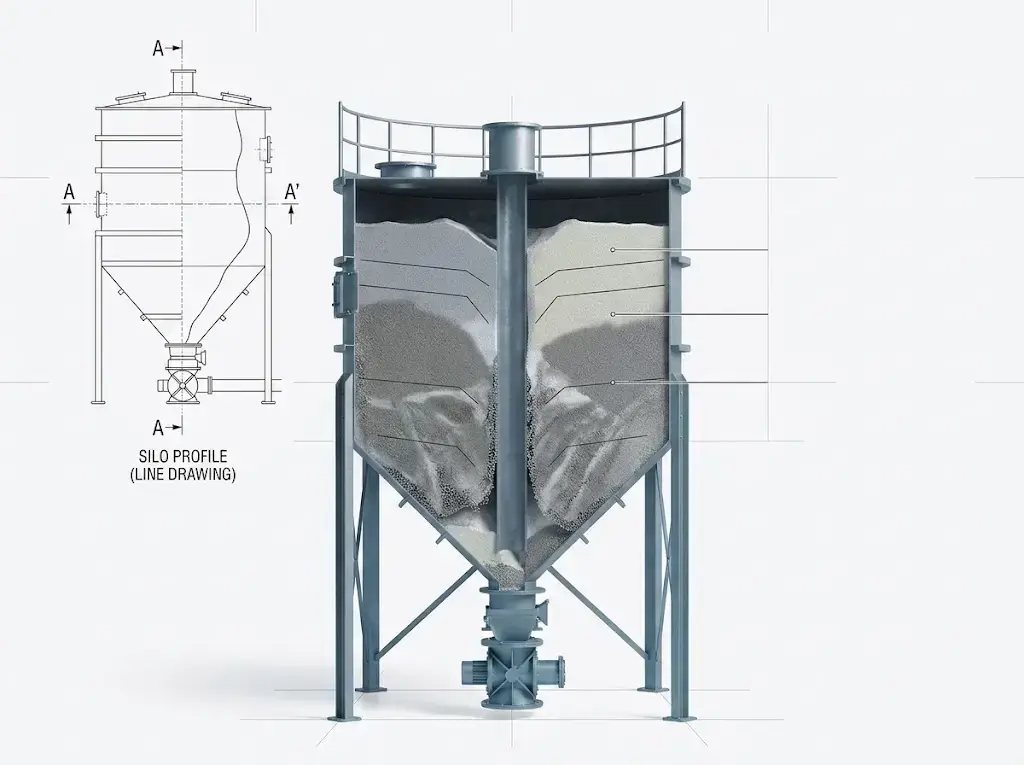
An automated powder handling system typically includes storage bins, feeders, conveyors, valves, weighing, and controls. But if the powder refuses to leave the bin, all that automation stops at the outlet. Powders behave differently from liquids. They can be cohesive, hygroscopic, abrasive, or fragile. A fine powder may form a stable arch over the outlet, called bridging. It may form a narrow vertical channel while material clings to the walls, called rat-holing. Blended powders may segregate by size or density, ruining batch consistency. Over-aerated powders can flood, flowing like water and upsetting downstream feeders.
These problems cause unplanned downtime, product loss, safety risks, and higher maintenance costs. Manual clearing with hammers or rods is dangerous and often damages the hopper cone. That damage creates even worse flow problems later. This is why bin flow aids are not an accessory. They are a core component of a reliable automated powder-handling system.
Common Bin Flow Aids Compared
Several flow-aid technologies are available, each with trade-offs.
Vibrators and shakers are simple and inexpensive. But for fine, cohesive powders, vibration alone often backfires. Instead of promoting flow, vibration can compact the powder. Bridges become stronger, rat-holes get worse, and segregation can occur in blended products.
Air cannons deliver a sudden blast of compressed air. That shock can dislodge material, but it can also compact the powder, creating noise and structural stress. Air cannons treat the symptom after a blockage has already formed.
Mechanical agitators and screw extractors physically move material. They can be effective, but they need extra headroom, are difficult to clean, and require maintenance. In food and pharmaceutical plants, cleaning is a serious concern.
Fluidizing pads introduce air to reduce interparticle friction. They work well for some powders, but too much air can cause flooding. The powder becomes too fluid and uncontrolled.
Controlled air-pulse flow aids are different. They deliver timed pulses of compressed gas, usually air but sometimes inert gas, through strategically placed nozzles in the hopper cone. These pulses fluidize the powder locally, reduce friction, and encourage uniform discharge. They loosen the material rather than compact it. The pulses can be timed or controlled by sensors, so the system responds to actual flow conditions. This makes them especially useful for fine, sticky, or cohesive powders that tend to bridge or rat-hole.

Why Integration Matters in an Automated System
A bin flow aid does not work in isolation. In a well-designed automated powder handling system, the flow aid is integrated with the feeder, the conveying line, and the control system. For example, if the feeder detects a drop in mass flow, the flow aid can pulse to restore discharge. If the bin level is high, the system may use a different pulse pattern than when the bin is nearly empty. This level of integration is what separates a reliable system from a collection of standalone devices.
Integration also affects cleaning and maintenance. External air-pulse systems do not put mechanical parts inside the hopper, so cleaning is faster and sanitary requirements are easier to meet. They do not require the extra headroom that vertical agitators need, which matters in crowded plants.
How to Choose the Right Flow Aid for Your System
Start with the material. Is your powder fine, abrasive, sticky, or moisture-sensitive? Titanium dioxide, flour, lime, and milk powder all behave differently. You need to understand cohesion, bulk density, particle size, and wall friction.
Next, look at bin geometry. Tall silos, conical hoppers, and flat-bottom bins may need different solutions. Outlet size and wall angle matter.
Environmental conditions also count. Temperature, humidity, and pressure change powder behavior. Hygroscopic materials may clump in humid air.
Industry requirements matter too. Food and pharmaceutical processes often need sanitary designs and easy cleaning. Chemical plants may need inert gas for sensitive materials.
Finally, consider integration. Flow aids should work with your feeders, conveyors, and control system. They should not create new cleaning problems or require excessive headroom.
A Real Case: Food Powder Automation Upgrade
A food ingredient plant was handling a fine, cohesive powder in a conical batch hopper. The powder formed bridges when the bin was full and rat-holes when the level dropped. Operators had to hammer the cone several times per shift. Eventually, the cone was dented and cracked. Product quality also varied because the feeder was drawing from unstable pockets.
The plant decided to upgrade the entire powder-handling system, not just add a vibrator. They installed an automated system with pneumatic air-pulse flow aids mounted around the hopper cone. The pulses were integrated with the feeder controls and set to run on a timed cycle, adjusted during commissioning. After installation, the bridging and rat-holing stopped. The feeder ran consistently, product quality stabilized, and manual intervention dropped to almost zero. The damaged cone was repaired, and no further hammering was needed.
This case shows a simple truth: powders do not need to be hit harder. They need to be loosened intelligently, and that intelligence belongs in the automation system.
Five Frequently Asked Questions
Q1: What is the difference between a bin flow aid and a vibrator?
A vibrator applies mechanical motion to the bin wall. A bin flow aid is a broader category that includes vibrators, air cannons, fluidizing pads, and controlled air-pulse systems. For fine, cohesive powders, controlled air pulses often work better because they loosen the material rather than compacting it.
Q2: Will air-pulse flow aids work on sticky powders?
Yes, they are often the best choice for sticky or cohesive powders. Timed pulses of compressed air or inert gas reduce friction and break up incipient bridges before they become stable. They can also be used with moisture-sensitive materials when dry gas is used.
Q3: Can flow aids damage the hopper?
Poorly applied vibration or manual hammering can damage the cone. Controlled air-pulse systems are gentler because they do not rely on impact. They should still be designed for the hopper wall thickness and pressure rating.
Q4: Do I need a flow aid for every powder bin?
Not always. Free-flowing, robust granules may discharge fine on their own. Flow aids are most valuable for fine, cohesive, hygroscopic, or fragile powders, and for bins with narrow outlets or shallow cone angles.
Q5: How do I know which flow aid is right for my material?
You need material data: bulk density, particle size, moisture, cohesion, and wall friction. You also need bin drawings and process conditions. A supplier who understands bulk solids will ask for these details rather than just sell a standard vibrator.
Conclusion
Powder flow problems are predictable, and so are the solutions. Bridging, rat-holing, segregation, and flooding all have engineering causes. The right bin flow aid can keep material moving, protect product quality, reduce downtime, and make the plant safer. For fine or sticky powders, controlled air-pulse systems often outperform simple vibration because they loosen the material rather than compact it.
If you are planning a new powder handling system or upgrading an existing one, WIJAY Systems can help. Our engineers work with bins, hoppers, feeders, pneumatic conveying, and automation every day. Share your material data and bin drawings with us, and we can help you design an automated powder-handling system with the right bin-flow aids for your process.