Here’s a scenario that plays out more often than it should: material arrives that’s within spec on paper, the certificate of analysis checks out, and three days later a plant is fighting inconsistent feed rates, unexpected dust spikes, or a hopper that’s suddenly bridging when it never used to. The material wasn’t rejected. It wasn’t obviously bad. It just behaves differently once it moves through powder & bulk systems — conveying lines, storage silos, feeders, pneumatic transport — and by the time anyone traces it back to the material, the plant has already lost hours chasing symptoms on the equipment side.
Material quality alone doesn’t keep dry processing operations running. Conveying, storage, feeding, and transport systems are sensitive to variation, and small disruptions ripple across an entire line fast. What actually determines whether that ripple stays contained or turns into a shift-long problem is how quickly the parties involved — material supplier, equipment vendor, and plant team — actually respond and share information once something looks off.
Why This Gap Is Getting More Expensive, Not Less
Leaner staffing, tighter energy budgets, and higher automation levels have all shrunk the margin for delay. A flow inconsistency that used to be a minor annoyance an operator adjusted around manually now shows up as a measurable production loss, a quality deviation, or an unplanned stop — because there’s less slack in the system and fewer hands available to absorb the disruption manually.
Material consistency is still the foundation. But even a mineral or powder that performs perfectly in the supplier’s own testing can behave unpredictably once it’s moved through storage, transferred between vessels, or metered through a feeder — moisture pickup, particle segregation during transport, and handling-induced changes in flow character are all real, common, and rarely visible until the material is already in your system.
A Case Worth Sharing: When the Delay, Not the Material, Was the Real Problem
We supported a plant running a dry powder blend that started showing intermittent feed inconsistency at the metering stage — nothing dramatic at first, just enough drift that batch weights were creeping outside tolerance. The equipment hadn’t changed. The process hadn’t changed. The obvious first move was to start recalibrating the feeder and adjusting screw speed to compensate — which is exactly what happened for the better part of a shift, without resolving anything.
The actual root cause turned out to be a shift in the incoming material’s moisture content from a recent production run — not out of spec on the certificate, but enough of a change in flowability to throw off the feeder’s calibration under the plant’s specific handling conditions. That connection wasn’t obvious from the equipment side alone; it only became clear once material production data and the plant’s flow behavior were compared side by side. Once that link was made, the fix was straightforward — feeder recalibration matched to the actual material condition, not the spec sheet. The two shifts lost chasing the wrong variable weren’t a material failure or an equipment failure. They were a communication delay: nobody connected the material change to the flow symptom quickly enough to stop the reactive equipment adjustments before they compounded the confusion.
Responsiveness Reinforces Material Quality — It Doesn’t Replace It
High-quality raw material performs best when the people supplying it stay engaged with how that material actually behaves once it’s inside a customer’s system. That engagement isn’t a courtesy call — it’s a supplier’s ability to quickly evaluate whether a recent production change, a shipment condition, or a material characteristic could plausibly explain what a plant is seeing on the floor.
For powder and bulk operations, this typically means: production planning and logistics flexible enough to respond to a flagged issue, relevant material-behavior insight shared proactively rather than only on request, and a clear acknowledgment that the supplier is part of the troubleshooting chain — not a separate transaction that ends at delivery.
What Slow Response Actually Costs
When acknowledgment from a material supplier is slow, plants are forced to act without complete information — adjusting feed rates, recalibrating equipment, or changing handling practices based on guesswork about the cause. Those reactive adjustments often treat symptoms rather than the underlying issue, which introduces additional variability into the system and makes the eventual root-cause investigation harder for everyone involved, including the equipment side.
Lost time compounds fast across conveyors, bins, hoppers, and pneumatic lines — a delay that starts as a metering hiccup can cascade into blending inconsistency, packaging line slowdowns, and eventually a full stop. Timely, specific communication from the material supplier — about a production change, a shipment condition, or expected variability — narrows the diagnostic scope immediately and lets plant teams and equipment partners coordinate on the actual cause instead of working three separate theories in parallel.
Effective Resolution Is a Three-Way Collaboration
No single party in this chain has full visibility on their own. The plant sees the symptom. The equipment side understands the mechanical behavior of the system. The material supplier understands what actually changed upstream. Resolving a flow, feed, or dust issue quickly depends on all three sharing information fast — and a supplier that treats delivery as the end of the relationship removes one of the three data sources exactly when it’s needed most.
What Operational Partnership Actually Looks Like
A transactional supplier delivers to spec and considers the job done. An operational partner stays engaged after delivery, because real performance is measured by how material behaves once it’s inside the customer’s actual handling system — not how it performed in a lab test. Across dry processing applications, this difference routinely determines whether a flow issue stays a brief adjustment or turns into extended downtime.
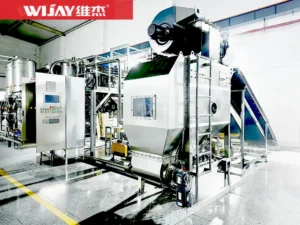
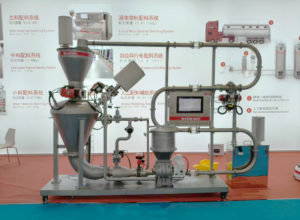
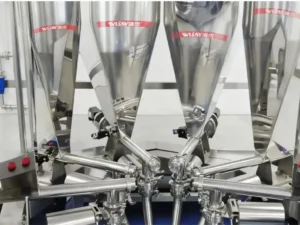
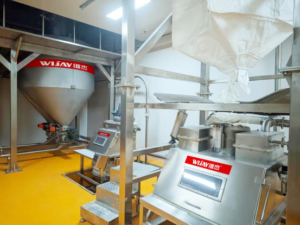
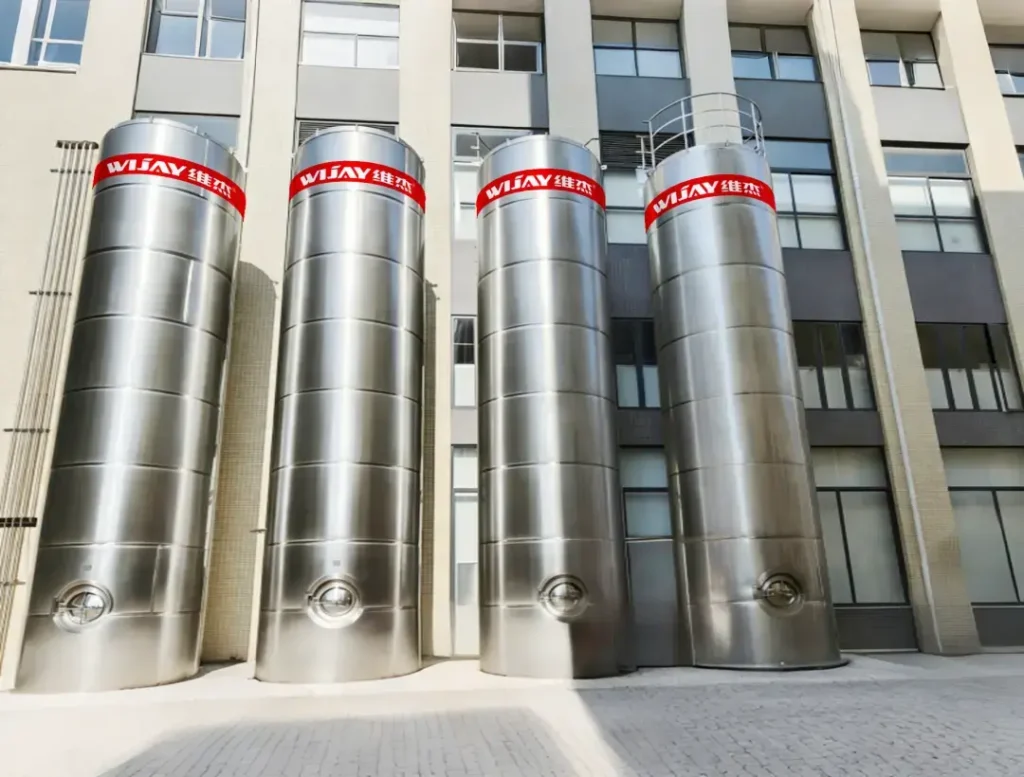
That same standard applies to equipment integration, not just raw material supply. A powder and bulk handling system engineered as an integrated line — enclosed conveying, low-degradation transport, automated feeding matched to real material behavior across food, chemical, and industrial applications — reduces how often material variability turns into a visible operational problem in the first place, because the system has less exposure to the conditions that amplify small material shifts into big process disruptions.
FAQ
Why does material that’s technically “in spec” still cause flow problems? Spec sheets typically cover bulk composition, not every characteristic that affects flow behavior in your specific handling system — moisture content, particle segregation from transport, and static buildup can all shift within spec limits and still change how material moves through a feeder or hopper.
How fast should a supplier respond when a plant flags a material-related issue? Fast enough to prevent reactive equipment adjustments from compounding the problem before the actual cause is identified — in practice, that means same-day acknowledgment and a genuine attempt to connect the reported symptom to recent production or shipment conditions, not a generic “material meets spec” response.
Is supplier responsiveness really an equipment issue? Indirectly, yes. Slow supplier feedback pushes plants toward reactive equipment adjustments — recalibration, feed rate changes — based on incomplete information, which can introduce new variability into the handling system and make root-cause diagnosis harder for everyone involved.
Can better equipment design reduce exposure to material variability? Yes, to a meaningful degree. A fully integrated, enclosed handling line reduces the number of transfer points and open-air exposure events where moisture pickup, segregation, and dust generation typically occur — which narrows the range of conditions that turn normal material variability into a process disruption.
What should plants look for beyond material specs when choosing suppliers? Evidence of engagement after delivery — flexibility in production planning, proactive sharing of material-behavior insight, and a track record of treating post-delivery issues as a shared troubleshooting responsibility rather than someone else’s problem.
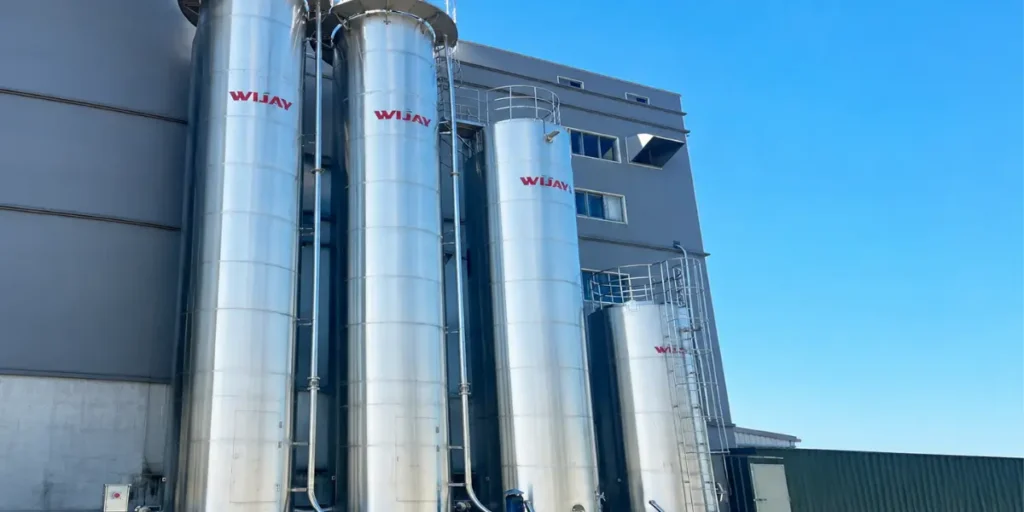
WIJAY Systems designs powder and bulk handling lines — enclosed conveying, automated feeding, and low-degradation material transport — engineered around how your actual material behaves under real operating conditions, across food, chemical, and industrial applications. If flow inconsistency, feeder drift, or unplanned dust issues are eating into uptime and the cause isn’t obvious from the equipment side alone, that’s worth a conversation with our process engineering team.