Baby formula is among the most regulated food products in the world. Every step of the production process — from raw ingredient intake to final packaging — is held to an exceptionally high standard. Yet one of the most frequently overlooked risk points is material transfer: the moment when powders move between processing stages.
Why Conveying Technology Is Critical in Baby Formula Manufacturing
Traditional mechanical conveyors — screw conveyors, belt systems, bucket elevators — expose sensitive powders to open air, introduce contamination risks, generate dust, and cause physical degradation of delicate particles. For baby formula manufacturers, these are not acceptable trade-offs.
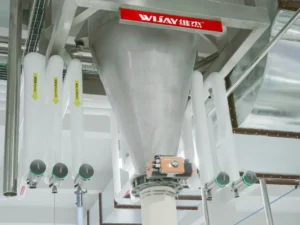
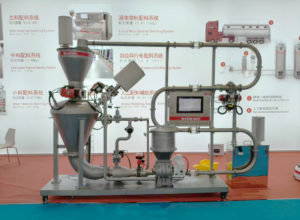
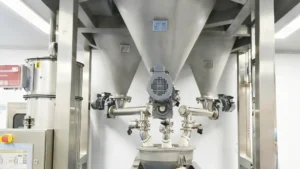
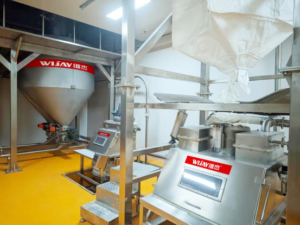
Pneumatic conveying systems address these challenges directly. The production of dry dairy products such as milk powder, whey, casein, or baby formula can be challenging, as these products typically come with their own unique characteristics that need to be catered for — and it is essential that processing takes place in a sanitary environment. Wijay Powders Systems A properly designed pneumatic conveying system creates a closed, controlled pathway for powder movement — protecting product integrity at every transfer point.
What Makes Baby Formula Powder Different from Other Dairy Powders
Not all milk-based powders are the same, and system selection must reflect that. A baby formula company will require a different conveying system than an ice cream company, even if they use similar milk processing equipment — due to different operating temperatures and different formulations required for each product.
Baby formula powders are typically spray-dried, which makes them extremely fine, light, and structurally fragile. They often incorporate added vitamins, minerals, probiotics, and fatty acids that are sensitive to heat, friction, and moisture. This means the conveying system must be engineered not just to move the material, but to preserve its nutritional integrity throughout the process.
In both wet and dry blending processes for dairy powder and infant formula manufacture, pneumatic conveying systems are utilized for the transfer of raw ingredients prior to blending as well as the transfer of the final blended or spray-dried product prior to packaging.
Dense Phase vs. Dilute Phase: Which Is Right for Baby Formula?
Understanding the difference between conveying modes is essential for selecting the right system.
Dilute phase conveying suspends powder in a high-velocity airstream at low concentration. This technology is very often used for milk powder, particularly for factories receiving milk powder as an ingredient — for example when mixing with cereals or producing ready-to-drink beverages. Powderprocess It works well for robust, non-fragile materials over shorter distances.
Dense phase conveying moves material at low velocity and high concentration, making it significantly gentler. Low-velocity dense phase systems maintain particle integrity and do not damage the critical particle size and shape of spray-dried infant formula. WIJAY For high-value, fragile baby formula powders, dense phase is generally the preferred approach — especially when preserving agglomerate structure and coating integrity is required.
The right choice depends on your specific powder characteristics, conveying distance, required throughput, and layout constraints. WijaySystems engineers evaluate all of these factors before recommending a system configuration.
Hygiene Design: The Non-Negotiable Requiremen
In baby formula production, hygiene is not a preference — it is a regulatory mandate. For baby formula, systems that allow for thorough and frequent cleaning are essential. This often means opting for designs that facilitate Clean-in-Place (CIP) procedures — using specialized cleaning solutions and cycles to sanitize the interior of pipelines without disassembly, ensuring that each batch of formula is produced in a pristine environment.
Wet cleaning is recommended when products are perishable or changed frequently. Milk powder and baby food are typical examples where dry cleaning is often no longer sufficient — requiring the inside of hoppers, conveying pipes, and bulk material components to be cleaned with specified cleaning media.
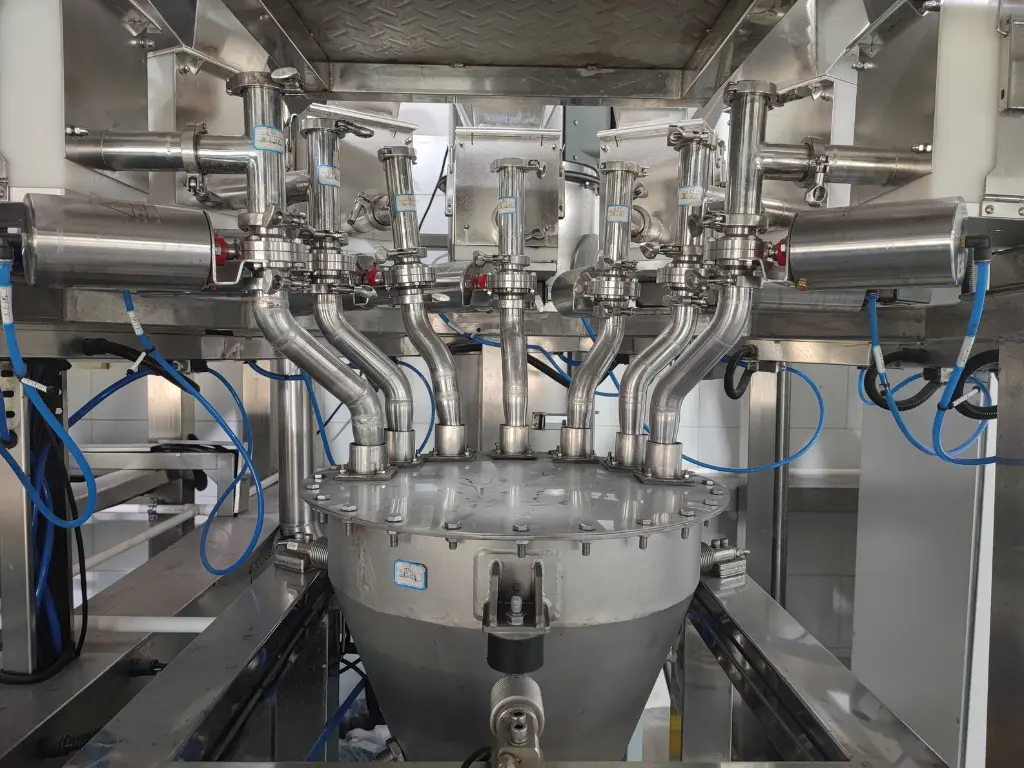
WijaySystems pneumatic conveying systems for baby formula are built with hygienic design principles throughout: smooth internal pipe surfaces, sanitary-grade fittings, quick-release clamp connections, and full CIP/COP compatibility. All product-contact materials comply with food-grade standards, and system layouts are designed to eliminate dead zones where powder could accumulate between batches.
Key System Features for Baby Formula Applications
When evaluating pneumatic conveying systems for infant formula production, the following features are critical:
Fully enclosed pipeline design. Enclosed pneumatic conveying systems isolate the process environment from the ambient environment, minimizing product exposure to airborne contaminants, moisture, and human contact. This is fundamental for maintaining product purity and meeting food safety certifications.
Dust control and filtration. Milk powder production typically requires dust control systems for safety. Quality filtration systems ensure a dust-free environment for quality dry dairy products. Powders Systems WijaySystems integrates high-efficiency pulse-jet filters and receiver units at transfer points to eliminate fugitive dust throughout the line.
Flexible routing and compact footprint. Pneumatic pipelines can be routed vertically or horizontally, bypassing obstacles in existing plants Process Engineering — a significant advantage when integrating conveying systems into existing facilities with limited floor space.
Consistent, repeatable performance. Pneumatic powder conveying systems enable better and more consistent product quality, reduce the need for manpower and product handling, improve production flow, and ultimately help increase production while significantly reducing the cost for storage and plant operations.
Handling Sensitive Additives: Probiotics and Micronutrients
Modern baby formula increasingly includes heat-sensitive and biologically active ingredients such as probiotics, DHA, and ARA. These require particular care during conveying. Due to the delicate nature of probiotic organisms, their introduction to food processing stages requires special attention — the probiotic must be treated carefully during all stages to ensure that viability is not affected and overall efficacy is maintained.
WijaySystems designs dedicated sub-systems for additive introduction — including vacuum conveying with gentle acceleration profiles and temperature-controlled transfer lines — ensuring that micro-ingredients reach their destination intact and active.
Choosing the Right System: What to Evaluate
Selecting a pneumatic conveying system for baby formula production requires assessment across several dimensions:
- Powder characteristics — particle size distribution, bulk density, flowability, moisture sensitivity, abrasiveness
- Process layout — distances, elevation changes, number of pickup and delivery points
- Throughput requirements — kg/hour targets and batch vs. continuous operation
- Cleaning protocol — CIP vs. COP requirements and changeover frequency
- Regulatory environment — applicable food safety certifications (FDA, GMP, FSSC 22000)
WijaySystems provides full system design support including material testing, flow modeling, and hygienic compliance review — before any hardware is specified.
WijaySystems: Engineered for Sensitive Powder Handling
WijaySystems has designed and commissioned pneumatic conveying systems for dairy and infant nutrition manufacturers across Asia, the Middle East, and beyond. Our systems are built for the specific demands of baby formula production: hygienic, gentle, cleanable, and reliable.
Every project begins with a detailed understanding of your powder characteristics and production goals. We provide:
- Dense phase and dilute phase system design
- Fully hygienic pipeline and component selection
- CIP-compatible system architecture
- Dust collection and environmental control integration
- Commissioning, validation, and after-sales support
Selecting the right pneumatic conveying system for baby formula production requires careful consideration of material properties, hygiene standards, and long-term operational reliability. WijaySystems brings deep application expertise and a commitment to customized engineering to every project.
Contact our application engineers today for a free system design consultation. Request a project proposal tailored to your production requirements.