



Battery Production
Wijay engineers low-velocity pneumatic conveying for cathode and anode powders, battery-recycling black mass and flue-gas sorbents. Each system is integrated with batching, blending and plant control, and is built for new gigafactories and for plants that are already running.
Wijay Battery Conveying Solution
——————WIJAY——————
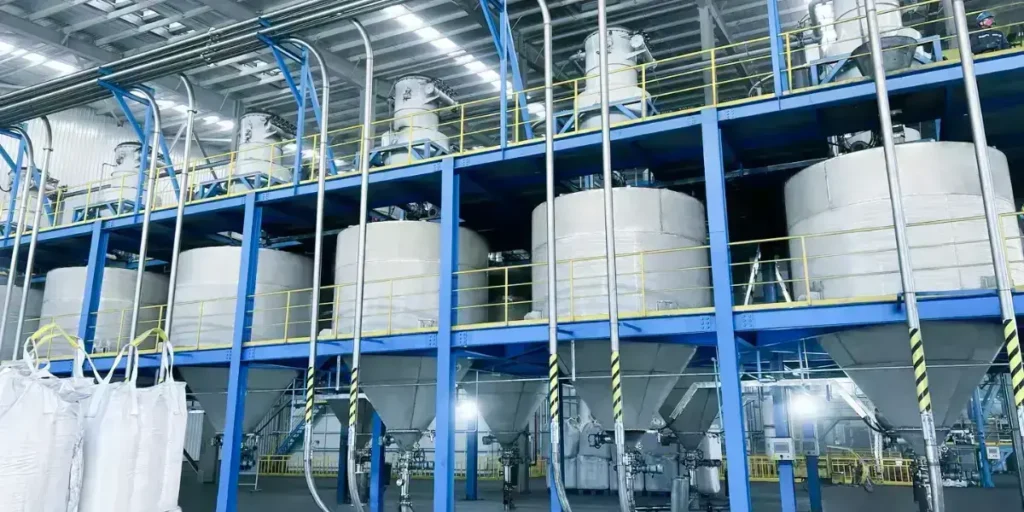
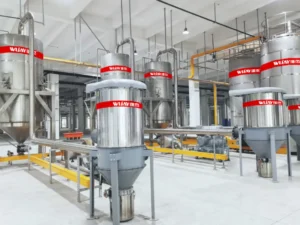
Wijay designs Battery conveying systems by matching the conveying mode to the material, the distance and the capacity. For shear-sensitive and abrasive active materials, the design rule is low velocity: dense- and intermediate-phase conveying moves powder in a slower, more compact stream than conventional dilute-phase systems. That lowers impact at bends and contact with the pipe wall, and it needs less air, so the dust collection equipment stays compact.
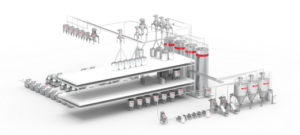
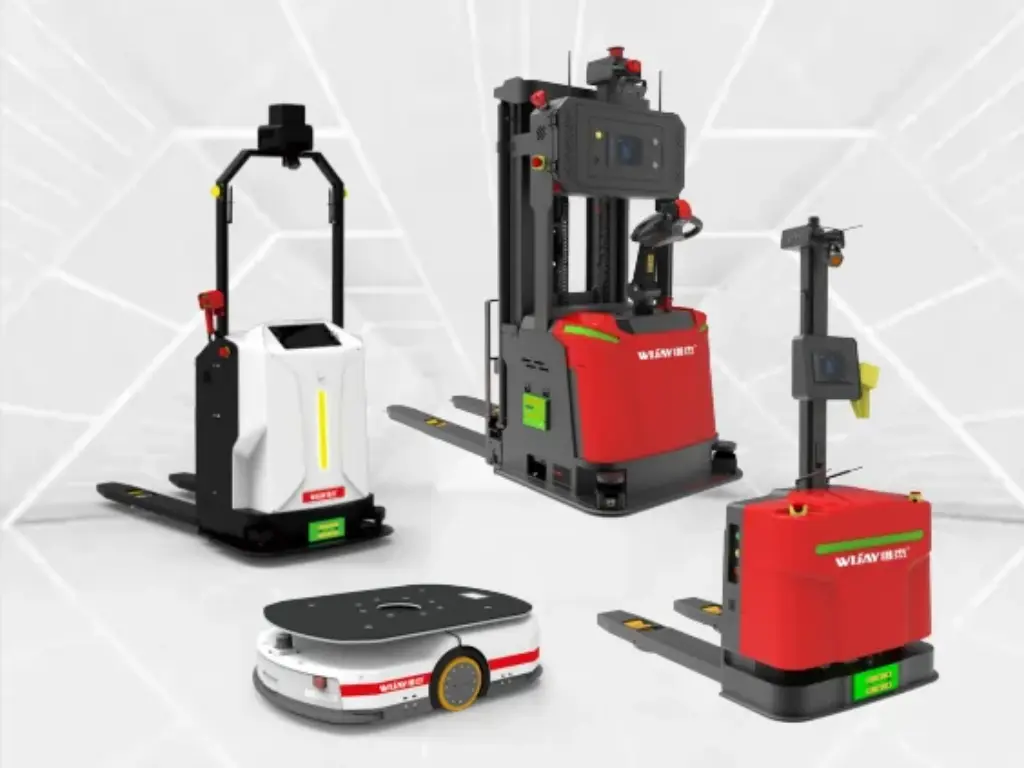
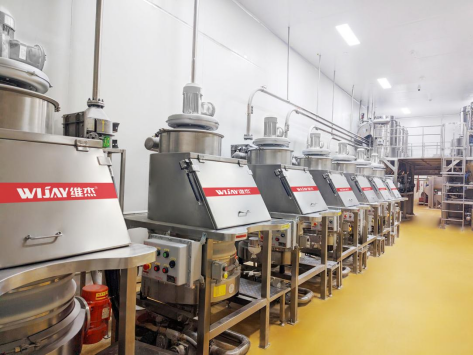
Conveying is one part of the scope. Wijay engineers the whole powder path of battery powder processing and blending equipment: unpacking, feeding, storage, unloading, crushing, screening, drying, metal detection, conveying, metering and batching, and continuous mixing for electrode slurry. These sit alongside the rest of your lithium-ion battery production equipment and connect to your control layer, including ERP and MES interfaces and Wijay AGV material handling.
Common Items
Wijay’s professional team will tailor solutions according to customer needs to meet the special requirements of different industries.

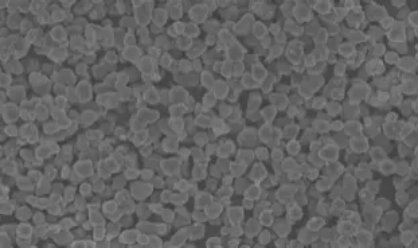
Iron phosphate
Manganate
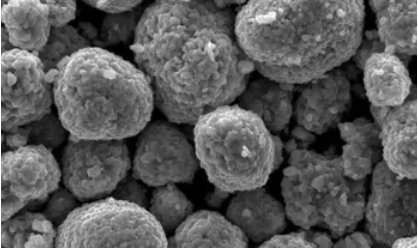
Ternary Material
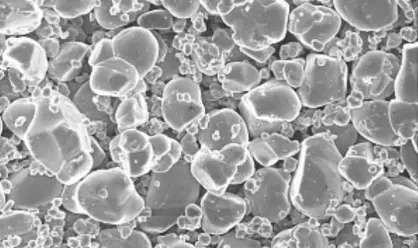
Lithium Cobalt Oxide
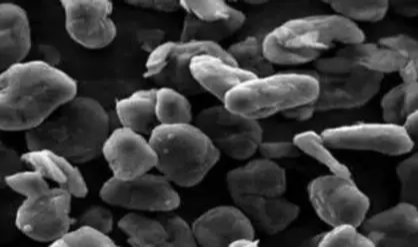
Natural graphite
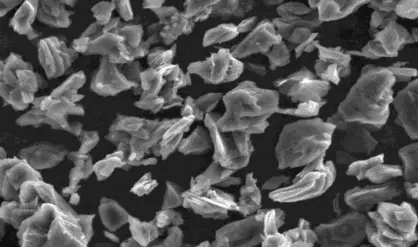
Artificial graphite
For proper handling of toxic and valuable raw materials
01
Tight & safe to use
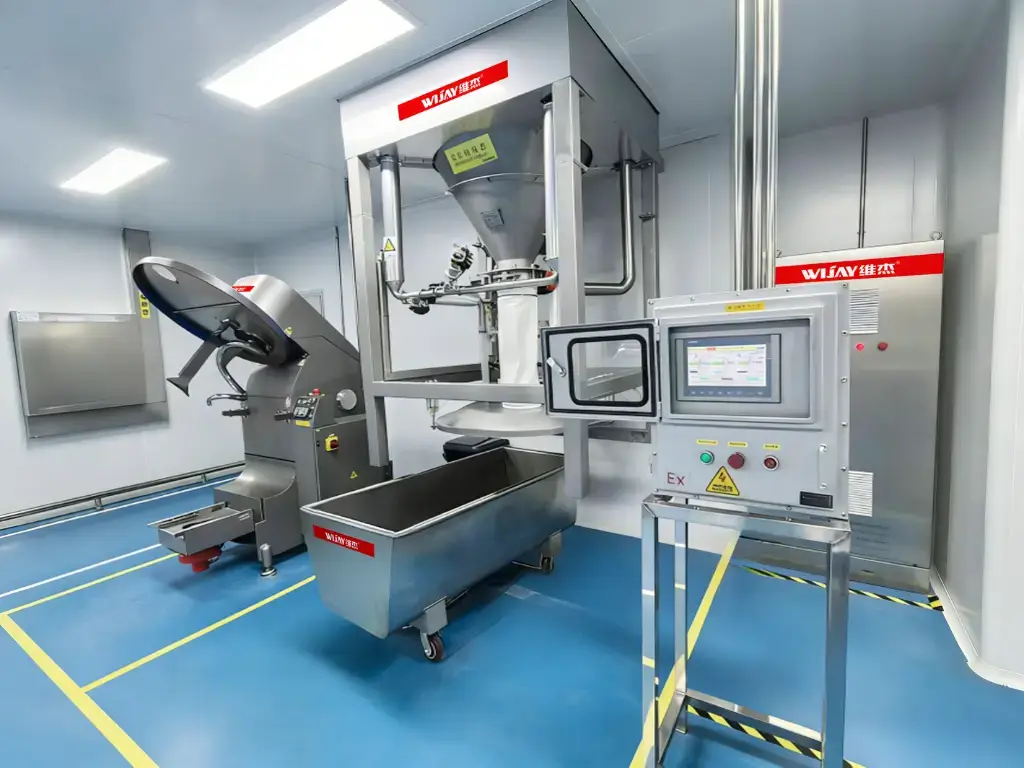
Our systems are designed to be dust-tight and fully compliant to containment standards.
02
Avoid contaminations
Our solutions are available in special executions to avoid metallic contamination, helping you to achieve a superior high quality end product.
03
Accurate & consistent
Wijay metering systems ensure a very high consistent quality in the processing of active materials.
Verified Project References
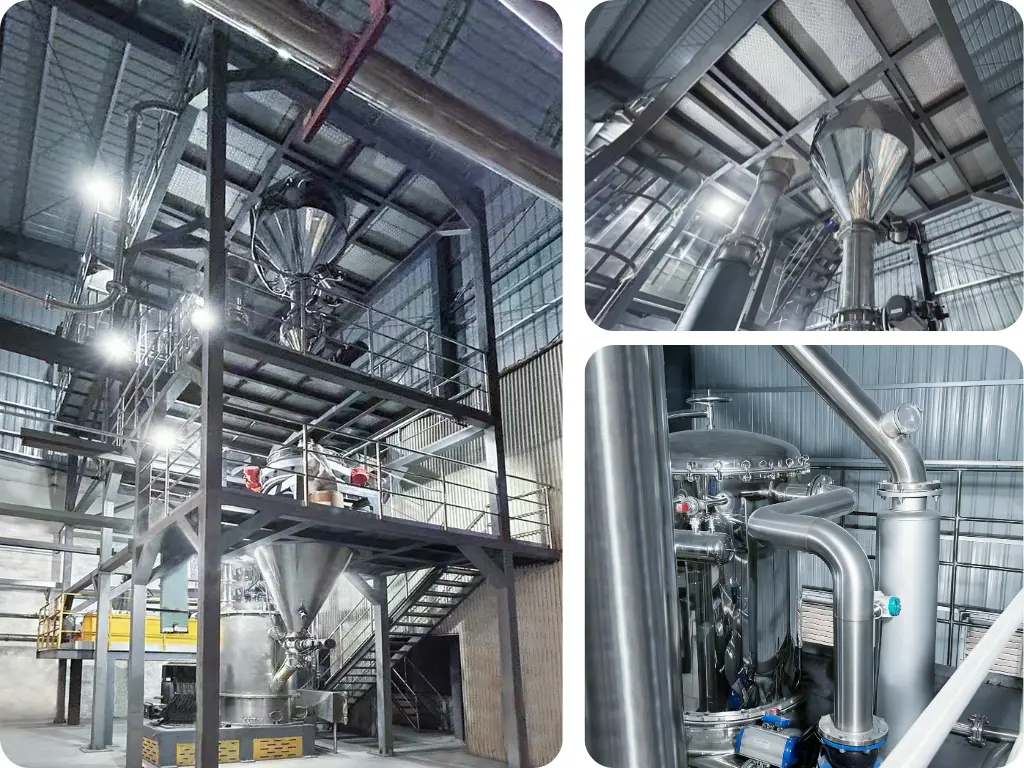
Long-distance Pneumatic Conveying for Artificial Graphite Anode Material
We built a full-process automated material handling system for a global leading artificial graphite anode manufacturer, covering feeding, crushing, storage, weighing, screening, demagnetization, packaging and workshop dust removal. The project includes 8 positive-pressure lines and 8 negative-pressure lines with a capacity of 4 t/h per line. The maximum positive-pressure conveying distance reaches 670 m. This innovative positive-pressure solution solves the challenge of ultra-long-distance conveying of ultra-fine graphite powder. The fully enclosed conveying effectively controls workshop dust, helping customers reduce costs and improve production efficiency.
Raw Coke / Calcined Coke Vacuum Conveying Project (200,000 TPY Anode Base)
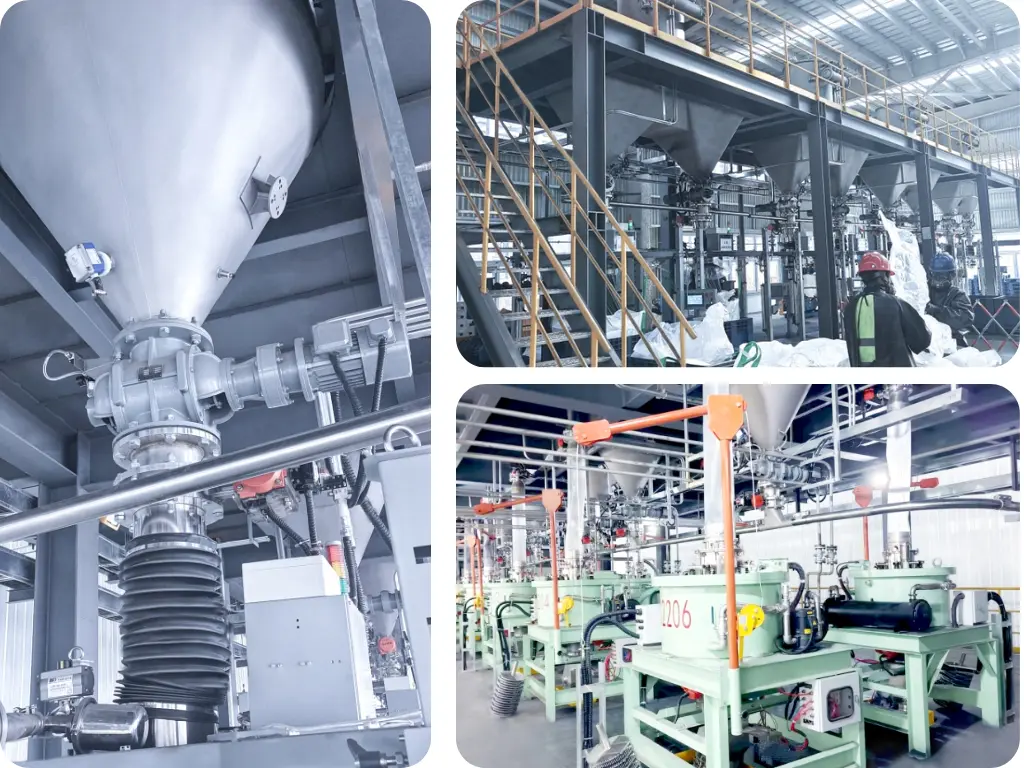
This system supports a 200,000-ton annual integrated lithium-ion anode material base for raw coke and calcined coke powder conveying. There are 12 post-crushing processing lines with a capacity of 8 t/h per line, achieving a record 380 m long-distance vacuum conveying, a benchmark case in the anode material industry. Another 4 fine powder processing lines run at 5 t/h per line. Independent enclosed conveying lines avoid material mixing, fine powder is collected centrally to stabilize product quality, meeting the strict environmental and continuous automatic production requirements of the new energy sector.
Request a Consultation
Looking to improve your battery production process?
We specialise in enhancing powder handling systems for battery manufacturing. Our expertise allows us to analyse powder behaviour in detail and develop practical solutions tailored to your needs. To help you find the right approach, we offer complimentary powder tests wherever possible, demonstrating the effectiveness of our methods.
More than just a supplier, we’re here to be your strategic partner—working with you from initial testing to full-scale production. Let’s start the conversation and find the best solution for your production challenges.
Typical Energy-Sector Processing Applications
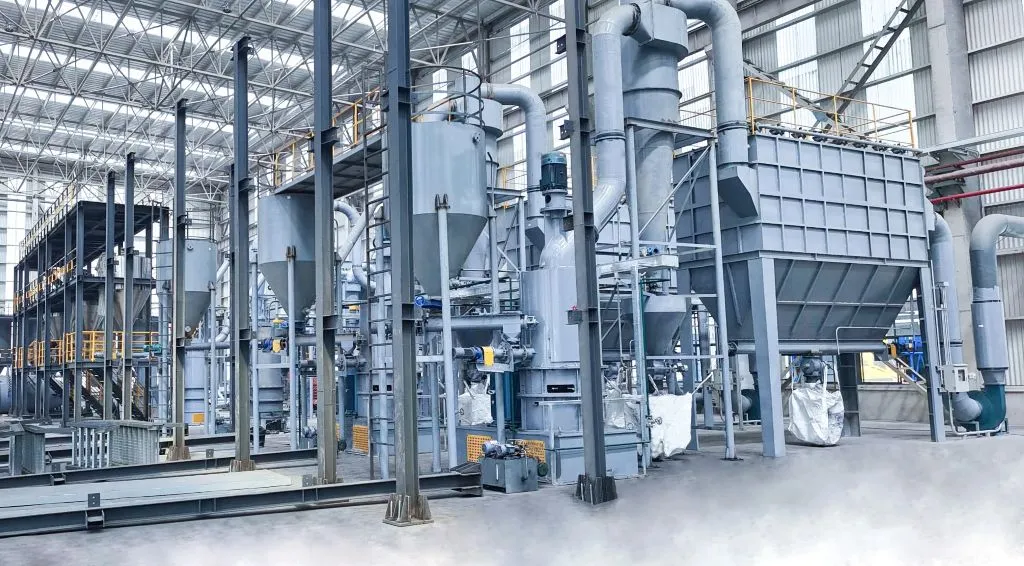
Lithium-ion Battery Raw-Material Handling
Wijay handles the main cathode materials, including lithium iron phosphate, lithium manganate, ternary (NMC) materials and lithium cobalt oxide, and anode materials, including natural and artificial graphite and the coke and pitch that feed them.
Battery-Recycling Black-Mass Conveying & Processing
After spent batteries are discharged, dismantled, crushed and dried, the screened fraction known as black mass carries lithium, nickel, manganese, cobalt and graphite back into new-battery supply.
Flue-Gas Treatment & Environmental Powder Dosing
Flue-gas treatment depends on steady, metered feed of sorbent powders such as lime and activated carbon. Wijay combines pneumatic conveying with anti-bridging storage and metering so that dosing stays stable and dust stays contained.
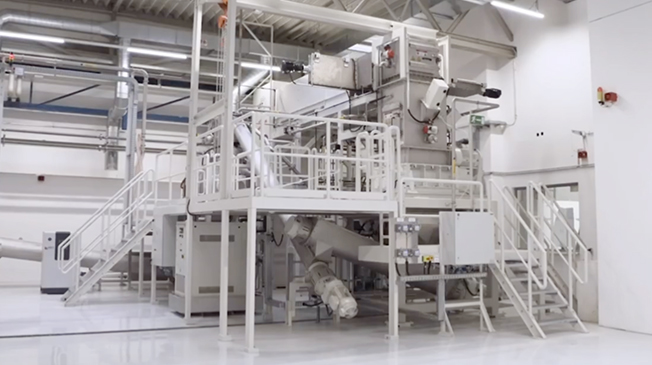
Pilot-Line & New-Energy Material R&D Production
Early-stage lines need formula flexibility more than tonnage. Wijay supplies dust-free unpacking, formula weighing and recipe-driven control.
we are Wijay
Powders: Excipients & functional powders.
Granules: Formulations for tablet pressing or encapsulation.
Sensitive Materials: Freeze-dried powders requiring gentle handling.
Wijay conveyors help you satisfy strict regulations and handle delicate materials gently. Preserving active ingredient integrity and achieving accurate mixing are key in pet food manufacturing. Similar to pharma production, pet food requires consistent batches with precise composition and dosage.
Our conveying solutions protect your ingredients without damage and comply fully with pet food industry standards
You might also be interested in related products

Frequently Asked Questions
1. How does dense-phase conveying reduce shear on lithium-ion battery powders?
Dense- and intermediate-phase conveying moves powder at low velocity in a compact stream, so there is less impact at bends and less rubbing against the pipe wall. Shear and attrition come mostly from speed, bend design and feeding devices, so lowering speed addresses the main cause. The result for your material still depends on its properties, so testing is recommended.
2. Does the system meet ATEX explosion-protection requirements?
Explosion protection is designed for your specific powder and plant zones, not applied as a fixed package. It starts from the powder’s measured explosion characteristics and your zone classification, then selects measures such as grounding, venting, isolation, certified equipment and, where needed, inert gas.
3. Can an existing production line be retrofitted?
Yes in most cases. Wijay’s modular design reduces work on site, shortens installation time and limits disruption to running production. A site survey confirms what is practical within your layout, ceiling height and shutdown window.
4.Can the system connect to MES and a digital-factory platform?
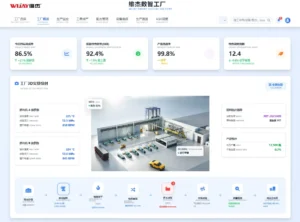
Yes. Wijay’s central control reports storage, consumption and energy data, and supports ERP and MES integration, with AGV dispatch available through the Wijay AGV system. Interface details, including any WMS connection, are confirmed during the survey. [confirm WMS and on-premise deployment]
6. Is battery-recycling black mass suitable for pneumatic conveying?
It can be, with the right design. Black mass is fine, abrasive and hazardous to inhale, so the line needs enclosed pipework, wear-resistant routing, suitable filtration and dust control. Wijay recommends testing the actual material because composition varies between recyclers.
7. Can I test my powder before committing to a project?
Yes. Wijay engineers can review your powder and arrange a material test and simulation before the design is frozen. Contact us with your material and capacity to agree the scope.
8. What should I look for in the most energy-efficient pneumatic conveying systems?
Compare energy at your own distance and capacity, not at a generic rating. The main drivers are air volume, conveying pressure, line length and bends, blower sizing and how the air supply is controlled. Ask for an estimated kWh per tonne in the proposal, and check whether energy data is monitored after commissioning.
Would you like to consult with an engineer?
Our team of application engineers and partners is ready to assist you in selecting the perfect vacuum conveying solution for your production needs. Fill out the form if you would like to get personal support.