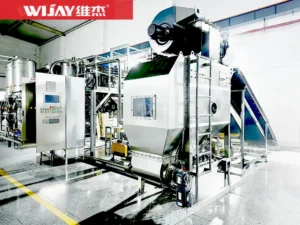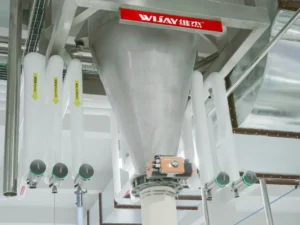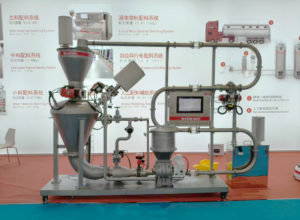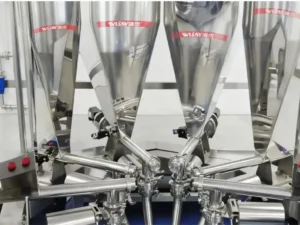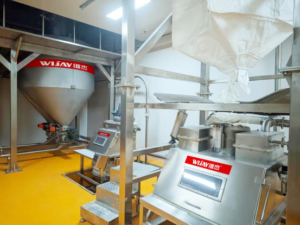
On July 30, 2026, China’s national standard General Requirements for Pneumatic Conveying Systems in Conveying Machinery (GB/T 47939-2026), was officially published on the National Standard Information Public Service Platform. The standard takes effect on February 1, 2027. Guangdong Wijay Material Automation Systems Co., Ltd. participated as a contributing drafting organization in developing this standard.
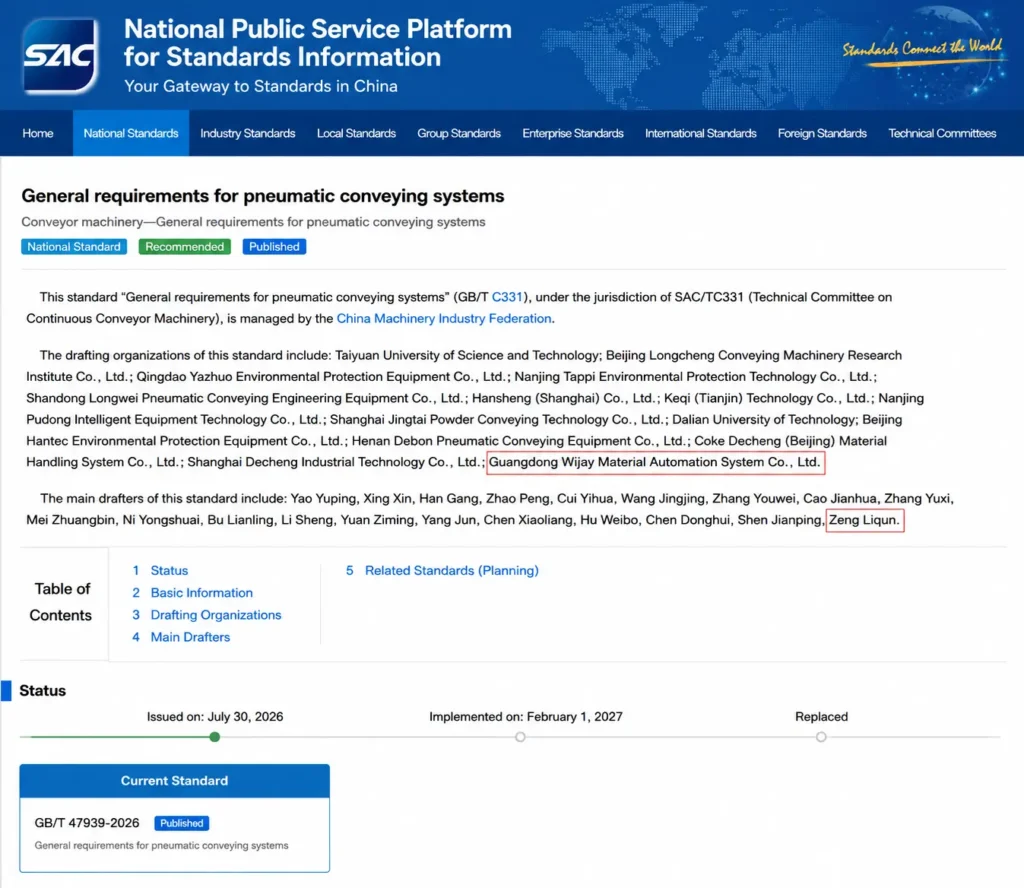
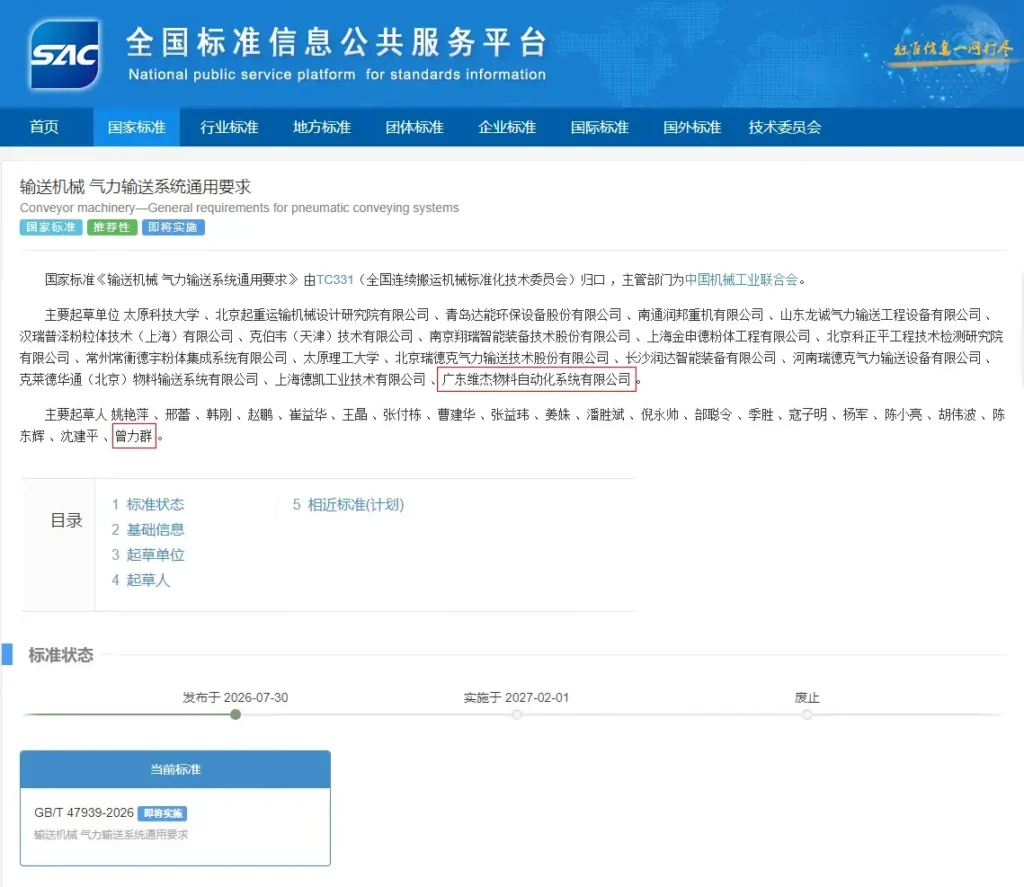
Why This Standard Matters for Pneumatic Conveying
Pneumatic conveying systems are the coreinfrastructure of automated powder material production lines, used across food, plastics, chemical, pharmaceutical, and new energy manufacturing. For years, the sector operated without a unified national system-level standard. Equipment parameters, performance benchmarks, and safety specifications varied by manufacturer and project — creating friction for end users at every stage: equipment selection, acceptance testing, and ongoing maintenance.
GB/T 47939-2026 establishes a unified technical framework for pneumatic conveying system design, manufacturing, inspection, installation, and operational maintenance — issued at the national level. The practical effect is significant:
A defined basis for equipment selection. End users no longer rely solely on supplier claims or accumulated experience. The national standard provides an objective reference for procurement specifications and acceptance criteria.
A higher floor for market entry. Unified technical requirements reduce room for non-standard, low-specification equipment that has historically complicated fair comparisons between suppliers.
Safety and quality controlled across the full system. Pipe design, sealing grade, and explosion-proof requirements are all brought within a consistent regulatory framework — not left to individual supplier interpretation.

Why Wijay Was Positioned to Contribute
Participation in national standard drafting reflects a combination of technical depth, engineering track record, and demonstrated understanding of real-world operating conditions. Three factors positioned Wijay for this role.
Years of focused work in powder material conveying. Wijay’s core business is whole-plant material automation planning, with pneumatic conveying as the central system. That work has been carried out across food, plastics, chemical, pharmaceutical, and new energy facilities — generating a body of field data and operating experience that informed practical standard requirements.
A system-level engineering perspective. Wijay’s scope is not individual equipment supply. The company’s work spans site survey, process simulation, pipeline design, custom equipment specification, installation, commissioning, and post-installation upgrade — the full project chain. Standard development requires exactly this kind of system-level engineering view, not a single-product perspective.
Direct experience with the problems the standard addresses. The technical requirements in GB/T 47939-2026 — dust explosion protection, long-distance conveying loss control, multi-formula flexible batching, food-grade sealing and hygiene requirements — are problems Wijay has encountered and solved in production environments. Those field-level engineering challenges translated directly into the technical parameters and safety requirements the standard now codifies.
What This Means for Customers Evaluating Suppliers
When a supplier has participated in drafting the national standard governing their product category, the practical implications for customers are specific.
The system will be designed to the standard from the outset. Equipment design, factory inspection, installation, commissioning, and acceptance handover all reference GB/T 47939-2026 — not an internal company checklist. That reduces the risk of post-delivery compliance remediation.
The supplier understands the standard’s intent, not just its text. Wijay’s engineers contributed to the drafting process. They understand why specific parameters were set, what operating conditions they were designed to address, and where the standard allows engineering judgment versus where it is prescriptive.
Market conditions post-implementation will favor standard-compliant suppliers. As GB/T 47939-2026 takes effect in February 2027, procurement and regulatory requirements will increasingly reference it. Suppliers without the technical depth to meet the standard’s requirements will face growing qualification pressure. Facilities that build supplier relationships now with standard-compliant partners are better positioned for that transition.
Scope of Wijay’s Pneumatic Conveying Work
The engineering capabilities Wijay brought to the standard drafting process cover the full material handling chain:
- Whole-plant material automation planning and layout
- Pneumatic conveying system design for powder, granule, and paste materials
- Pipeline routing, vessel specification, and sealing system design
- Dust explosion protection and food-grade hygiene system integration
- Multi-formula flexible batching and weighing system integration
- Installation, commissioning, and long-term operational support
This scope spans the intake, batching, storage, and conveying stages of production — across food, chemical, new energy, and pharmaceutical manufacturing environments.
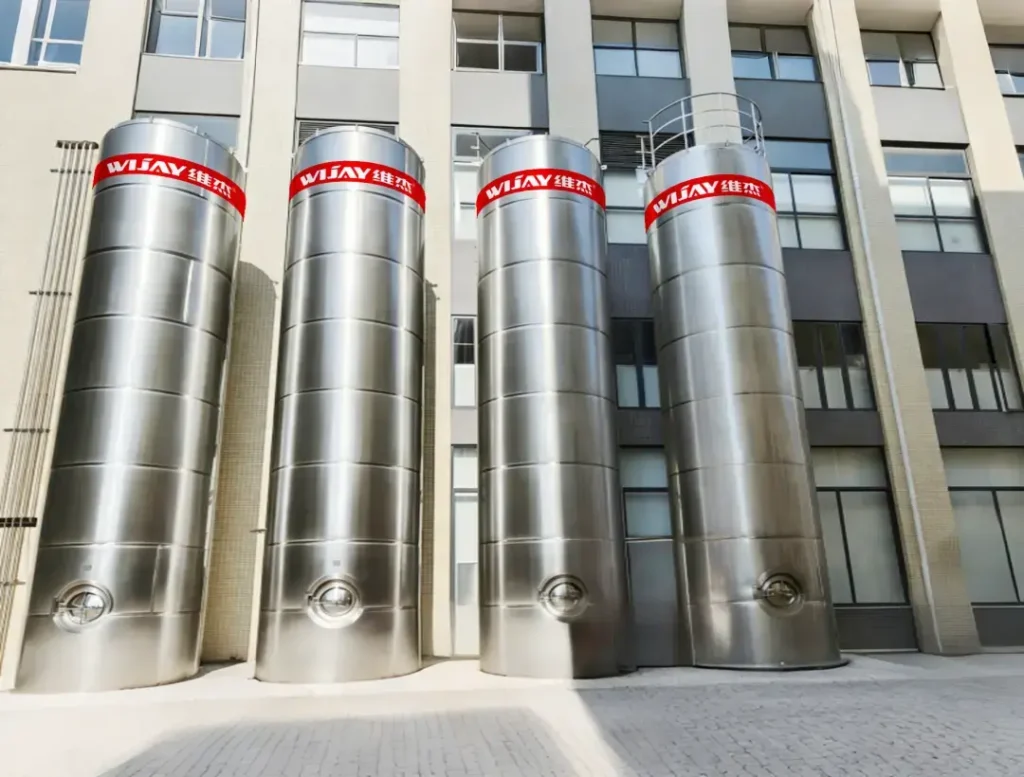
Why Wijay for Standard-Compliant Pneumatic Conveying Systems
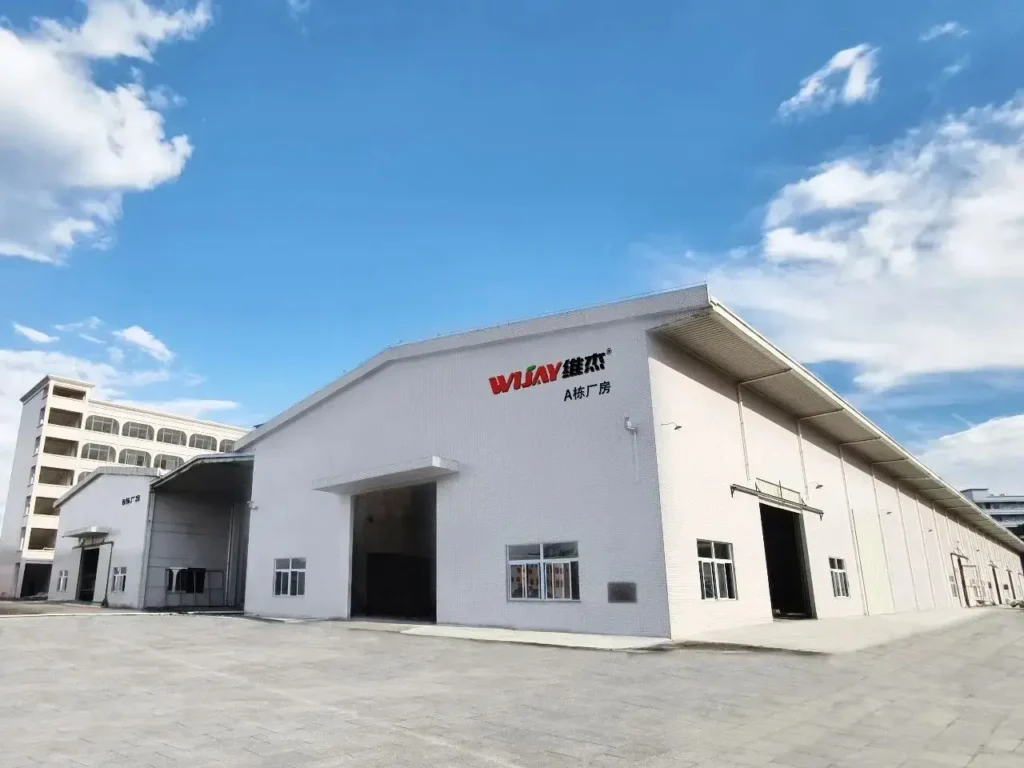
Wijay operates production bases in Dongguan and Hunan, with an independent R&D center at Songshan Lake handling system design, engineering simulation, and equipment development in-house. Overseas offices in Hong Kong and Poland support international project delivery alongside domestic work.
Every project begins with a site survey. System design is finalized only after facility layout, material characteristics, conveying distance, and integration requirements are confirmed on-site. The commissioning plan is agreed with the client before installation begins.
If you are planning a material automation line and want a system designed and delivered to GB/T 47939-2026 requirements, contact Wijay for a site assessment and project proposal.→ Request a consultation
FAQ
What is GB/T 47939-2026?
GB/T 47939-2026, General Requirements for Pneumatic Conveying Systems, is a Chinese national standard published July 30, 2026, and effective February 1, 2027. It establishes unified technical requirements for the design, manufacturing, inspection, installation, and maintenance of pneumatic conveying systems.
What role did WIJAY play in the standard’s development?
WIJAY Systems was named a drafting participant unit for GB/T 47939-2026, contributing engineering experience and field data drawn from pneumatic conveying projects across the food, plastics, chemical, pharmaceutical, and new energy industries.
How does this standard affect equipment sourcing decisions?
It gives buyers a documented, national-level reference point for equipment specification and acceptance, reducing reliance on vendor-specific claims and helping standardize what “compliant” pneumatic conveying equipment looks like across suppliers.
Does WIJAY’s current equipment already meet GB/T 47939-2026 requirements?
WIJAY’s system design principles — including sealing classification, explosion-protection design, and full-process automation — align with the technical areas addressed in the standard. Our engineering team can review specific project requirements against the standard in detail during project planning.
When should I involve WIJAY in a new pneumatic conveying project?
Engaging our team during early-stage planning allows system design, piping layout, and equipment specification to be built around your material and compliance requirements from the outset, rather than retrofitted later.