In lithium-ion battery manufacturing, the handling of low-temperature pre-carbonized anode materials directly affects product consistency, operational stability, and overall production costs. Designing a suitable pneumatic conveying system is therefore a critical engineering challenge.
Why Pre-Carbonized Anode Materials Are Difficult to Convey
Pre-carbonized anode materials are highly sensitive during handling due to their physical properties and processing requirements. Manufacturers commonly face issues such as:
- Material contamination caused by open or poorly sealed conveying systems
- Segregation and residue buildup during long-distance transport
- Production interruptions caused by unstable multi-stage material transfer
These challenges increase both quality risks and operating costs.
Key Design Considerations for Pneumatic Conveying Systems
When designing a pneumatic conveying system for pre-carbonized anode materials, several factors must be carefully evaluated:
- Conveying distance and routing complexity
- Material sensitivity to velocity and pressure
- Cleanliness and dust control requirements
- Energy efficiency and system automation level
A single conveying method often cannot meet all these requirements simultaneously.
Hybrid Conveying Architecture: A Practical Approach
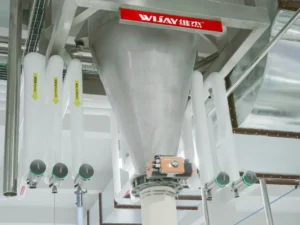
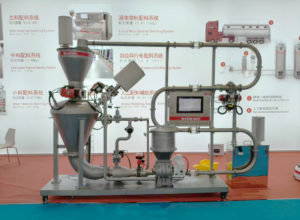
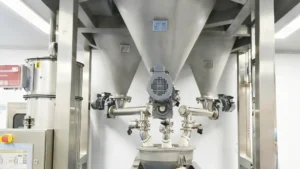
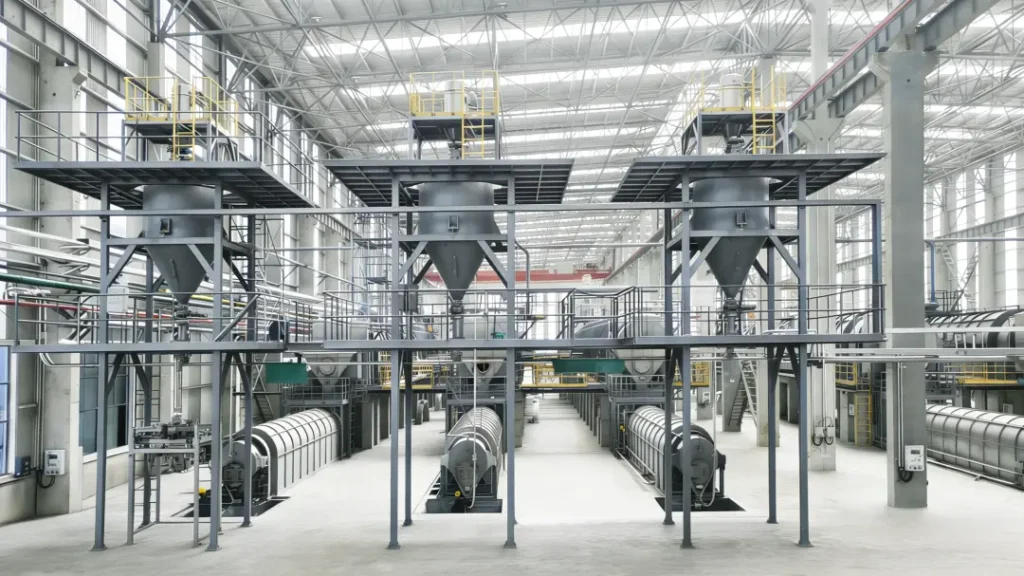
A hybrid system that combines positive-pressure dilute-phase conveying and negative-pressure vacuum conveying offers a balanced solution.
In a real production application:
- Positive-pressure dilute phase conveying achieved distances up to 180 meters with a capacity of 4 tons per hour
- Low-velocity operation ensured stable material flow without segregation or residue
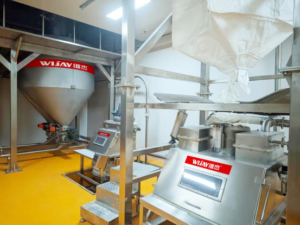
- Vacuum conveying enabled fully enclosed feeding and big bag unloading, eliminating dust leakage
This combination supports both long-distance transfer and clean material handling.
The Role of Intelligent Control Systems
Modern pneumatic conveying systems increasingly rely on centralized control platforms to improve operational efficiency.
Key capabilities include:
- Real-time inventory monitoring
- Energy consumption analysis
- Remote access via PC and mobile devices
These features enable manufacturers to optimize production scheduling and reduce long-term operating costs.
Conclusion: Building Reliable Material Handling for Lithium Battery Production
As lithium battery manufacturing scales, stable and intelligent material handling is critical—contact Wjay Systems Automation to explore how our pneumatic conveying systems can enhance your production efficiency and material consistency.