Case Study of Automated Production Line for Lithium Battery Materials
——————WIJAY——————
WIJAY has taken another step forward in the new energy lithium battery industry. The low-temperature pre-carbonization battery materials developed and produced by the client of this cooperation are among the best in the industry.
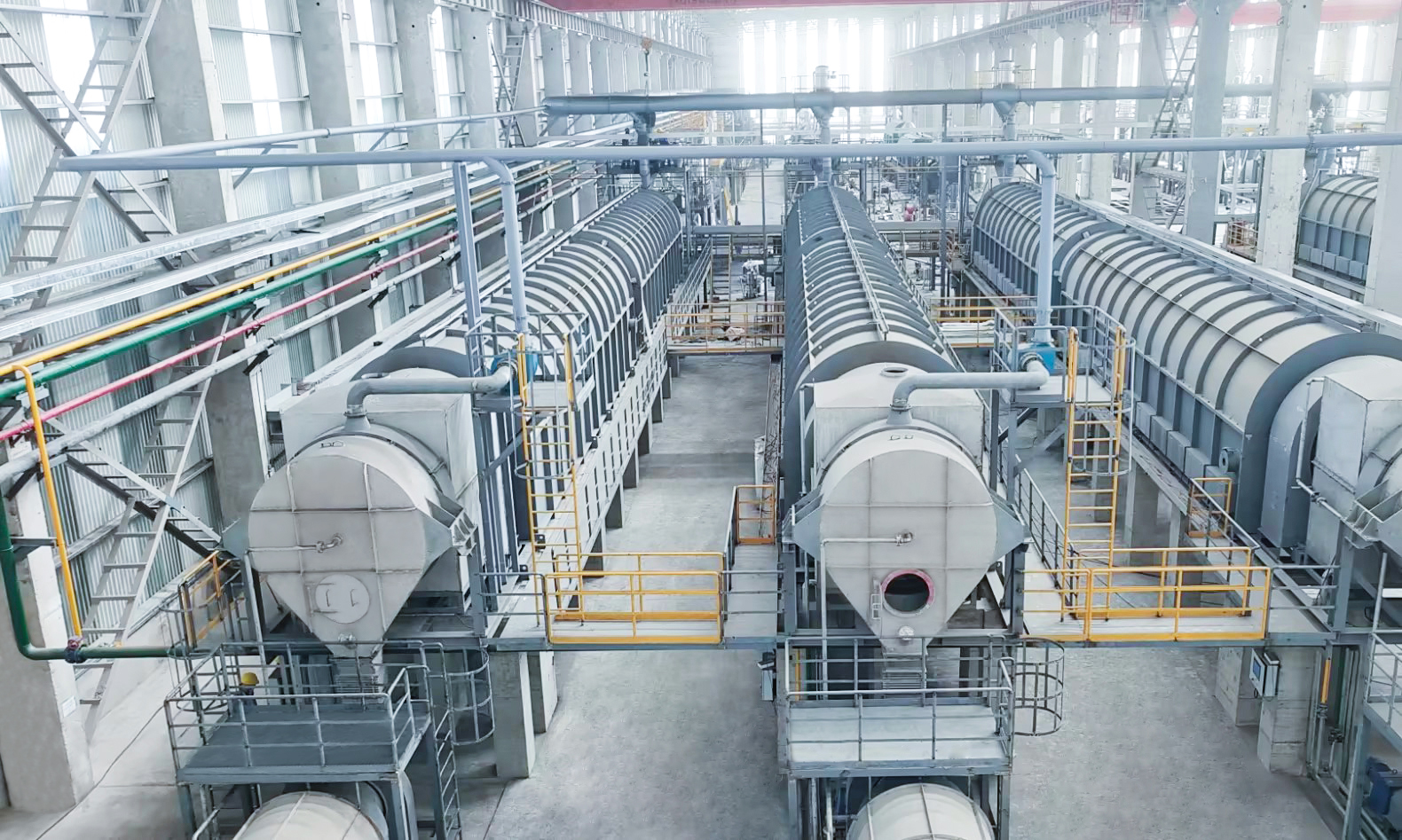
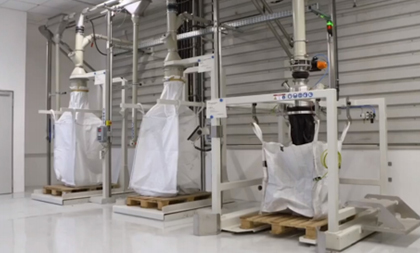
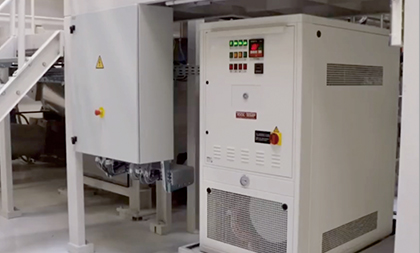
The client is a company specializing in battery recycling and processing systems. When the used batteries arrive, they are first tested and deeply discharged, then disassembled to the size of battery modules, ground into granular form, dried, and the electrolyte removed. After screening, the valuable lithium, nickel, manganese, cobalt and graphite are extracted for further processing by magnetic separators to sort the materials. The non-magnetic materials are separated, and all the materials are classified into three categories: “black powder”, copper and aluminum, and plastic. The “black powder” will be separated into raw materials and used for the production of new batteries.
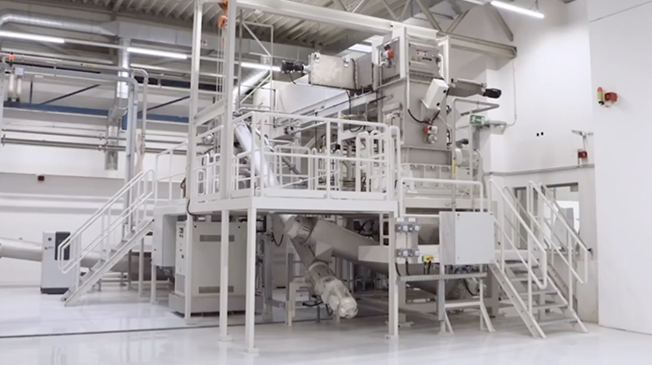
Materials we are good at
——————WIJAY——————
The positive electrode materials include products such as lithium cobalt oxide, lithium manganese oxide, lithium iron phosphate and ternary materials; the negative electrode materials include carbon negative electrode materials, tin-based negative electrode materials, lithium-containing transition metal amide negative electrode materials, alloy-based negative electrode materials and nano-scale negative electrode materials.
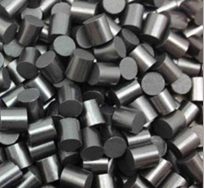
Lithium iron phosphate
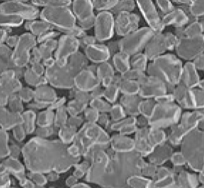
Lithium cobalt oxide
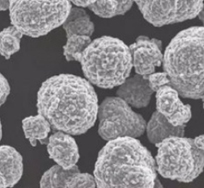
Ternary material
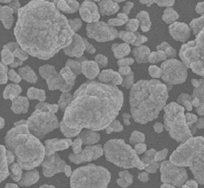
Lithium manganate
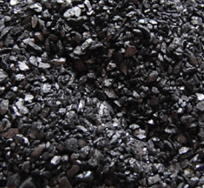
Natural graphite
Artificial graphite
Lithium battery industry planning and design diagram presentation
——————WIJAY——————
Long-term partner of Wijay
——————WIJAY——————