Dust explosions are an ever-present risk for all bulk powder processors and handlers, threatening workers’ safety and your bottom line. So how can a plant protect against dust explosions?
There are safety measures, such as controlling ignition sources and performing regular, thorough cleaning, that powder processing plants can take to limit the potential for a dust explosion and to collect and eliminate dangerous combustible dusts.
However, the equipment you use also plays a critical role in your plant’s safety. And in our 45 years of experience, there are four must-have pieces of equipment for preventing dust explosions that you need to consider.
1. A Top-Notch Dust Collection System
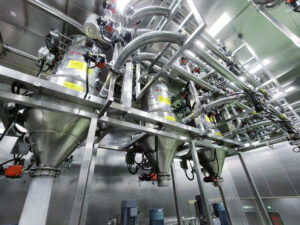
One of the most common places for a dust explosion to occur is within the dust collection system, making a high-quality dust collection system the top priority for your powder processing or handling plant. The right dust collection system minimizes plant explosion hazards by safely capturing, conveying, collecting, and discharging combustible dust.
If you’re concerned about the quality of your dust collection system, make sure to assess its design. The system should have a well-designed hood specific to the dust source, as well as properly sized and routed ductwork that prevents dust from settling. The collection system should also comply with the Occupational Safety and Health Administration (OSHA) and the National Fire Protection Association (NFPA) combustible dust regulations.
2. Flexible, Yet Durable, Connectors
Most connectors in today’s powder processing and handling plants are not designed to withstand dust explosions. The connectors are likely to break during an overpressure incident, causing damage to the equipment and to employees around them. Standard connectors also do little to prevent secondary dust explosions in your plant.
To prevent dust leakage and help prevent explosions, we suggest installing the BFM® Fitting connector system. BFM® Fittings make several industries safer due to their flexibility and durability. BFM® Fittings are resistant to overpressure and seal even tighter under high pressure, reducing the risk of bursting. And because the explosion is likely to be contained within the BFM® Fitting, it is unlikely to trigger a secondary, more deadly dust explosion.
3. Consider a Mechanical Conveying System
How can you safely convey combustible bulk solids? If you have a choice between a pneumatic and a mechanical conveying system, the latter is sometimes the safest option for conveying combustible dust. Pneumatic systems use air as the primary component for transferring materials, supplying three of the five required elements for a dust explosion: oxygen, dispersion of combustible dust, and confinement of the dust cloud.
However, if you already have a pneumatic conveying system, there are still steps you can take to ensure your plant’s safety. Because pneumatic conveyors use air, make sure you have a properly designed cyclone or bag filter in place to adequately separate the powder from the transporting air. In addition, the pneumatic conveyor should have sensors to shut down the conveyor in over- or under-pressure situations, preventing dust leaks and overfilling.
4. Dust Explosion Relief and Vents
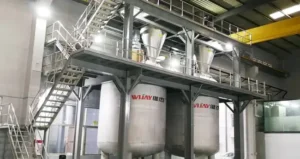
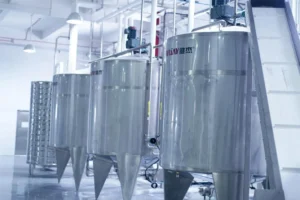
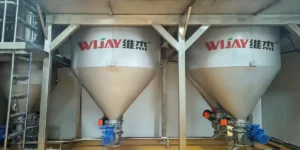
A key ingredient in causing dust explosions is the confinement of the dust cloud, which allows pressure to build. This means areas of confinement like storage silos and bins are especially at risk. Fortunately, explosion relief and venting systems provide overpressure protection for storage containers by providing a planned path for the escape of explosions.
To safeguard silos and bins at your plant, ensure each storage container is equipped with explosion relief and venting. Before approving your silos and bins for use, double check that all vents are unrestricted as this helps the explosion escape freely with (hopefully) zero damage to your facility.
Looking to Install These Systems At Your Plant?
Wijay Systems has 12 years of experience designing high-quality dust collection and suppression systems, conveying systems, and more to prevent dust explosions. We engineer custom solutions tailored to the unique needs and dynamics of each powder processing plant we serve, including those in the food, dairy, and nutritional industries.