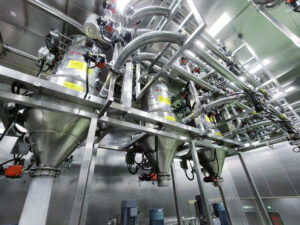
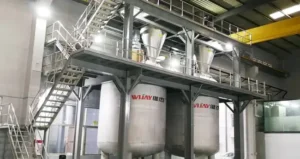
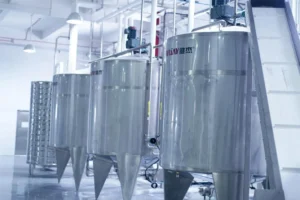
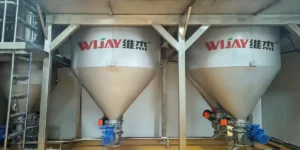
In the rapidly evolving landscape of plastics manufacturing, the efficiency and reliability of your material handling infrastructure directly impact your bottom line. At the heart of this infrastructure lies the plastic pellet conveying system—a critical component that moves raw materials from reception to processing. As global demand for polymers surges, the technology used to transport these materials is undergoing a significant transformation, driven by the need for automation, sustainability, and uncompromising product quality.
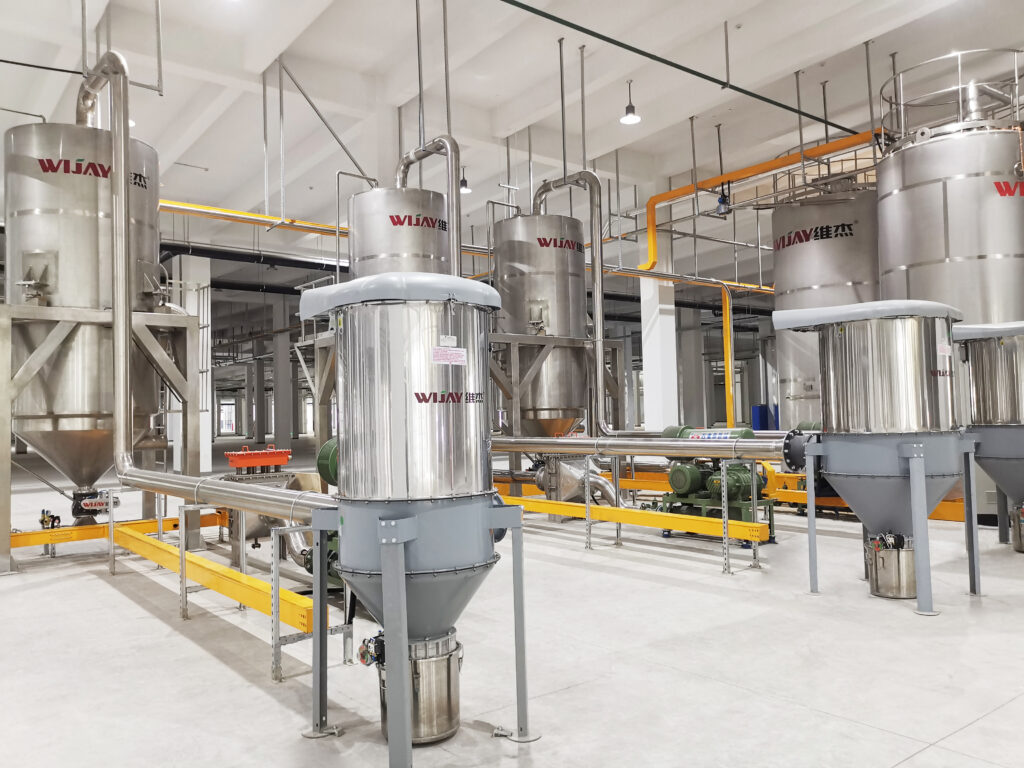
Industry Background: The Scale of Material Movement
The global bulk material handling industry is substantial. The Bulk Pneumatic Conveying System Market was valued at approximately USD 4.43 billion in 2024, with projections indicating growth to USD 6.2 billion by 2035. This expansion is fueled by the plastics sector’s increasing output. For example, a single new-generation biopolymer facility can be designed to produce up to 75,000 metric tons of polymer per year, requiring highly reliable systems to move pellets from pelletizers to storage and, finally, to packaging.
However, as production scales up, the complexity of handling these materials without compromising their integrity also increases. Whether dealing with Polyethylene (PE), Polypropylene (PP), or engineering resins, the method of conveying these pellets is no longer just a logistical afterthought—it is a core competency that defines market competitiveness.
The Hidden Costs of Inefficient Conveying
For many processing plants, the true cost of operating an outdated or improperly specified plastic pellet conveying system is often underestimated. Engineers and plant managers face several persistent technical challenges that erode profitability:
1. Product Degradation: The Problem of “Fines” and “Streamers.”
When plastic pellets are conveyed at high speeds using conventional dilute-phase methods, friction against pipe walls and other pellets generates unwanted byproducts. “Fines” (dust) and “streamers” (angel hair) are created, which can lead to several issues:
- Quality Control Issues: Fines can cause surface imperfections in extruded or molded final products, increasing rejection rates.
- Blockages: Streamers can accumulate and clog downstream equipment, diverter valves, and surge bins, causing costly unscheduled downtime.
- Material Waste: Degraded material often must be discarded or reprocessed, eating into profit margins.
2. High Energy Consumption
Traditional conveying systems are often run at fixed, high speeds to ensure material moves, regardless of the actual load. This “one-size-fits-all” approach is inherently inefficient. High-velocity systems require significant power to generate the necessary vacuum or positive pressure, making energy one of the largest operational expenditures in material handling.
3. Maintenance and Downtime
Erosive wear from high-speed particles takes a toll on infrastructure. Pipe elbows wear thin, rotary valves lose tolerance, and filters blind faster. The maintenance burden on a poorly optimized system is high, directly impacting the plant’s Overall Equipment Effectiveness (OEE).
The Business Case for Modernization
To stay competitive, the industry’s goal has shifted from simply moving material from Point A to Point B, to moving it intelligently. The objectives for a modern plastic pellet conveying system are clear:
- Zero Product Degradation: Preserve the pellet’s spherical shape and integrity.
- Energy Optimization: Match conveying velocity to the material’s specific requirements and the path.
- Operational Reliability: Achieve continuous, uninterrupted operation through predictive maintenance.
- Sustainability: Reduce dust emissions and waste, contributing to a cleaner workplace and lower carbon footprint.
Engineering Solutions: Precision in Pneumatic Conveying
Addressing these challenges requires a deep dive into the physics of gas-solid flows. Modern solutions focus on two key areas: conveying phase control and air management.
1. Dense Phase Conveying for Fragile Pellets
While dilute-phase conveying (high-velocity, material suspended in air) is suitable for some applications, it is detrimental to fragile pellets. State-of-the-art systems increasingly use dense-phase conveying, such as plug-flow systems. In this method, pellets are conveyed at low velocity in slugs or plugs. This significantly reduces inter-pellet friction and wall contact, virtually eliminating dust generation and streamer formation. For sensitive materials like polyolefin elastomers and polycarbonate, this gentle handling is non-negotiable for maintaining high product quality.
2. Intelligent Air Control
The key to energy efficiency lies in the control unit. Advanced systems now incorporate intelligent air control that actively monitors system conditions and adjusts the conveying air in real-time. By avoiding unstable flow regimes and using only the air required to move the material, plants can achieve dramatic energy savings.
Quantifiable data from industrial applications supports this technological shift. By optimizing the humidity and velocity of the conveying gas to reduce friction, processors have documented remarkable results:
- Reduction in dust and streamer formation: between 50% and 98%.
- Reduction in pressure loss: between 17% and 35%, which directly correlates with lower energy consumption.
- Increase in potential debottlenecking throughput: up to 20%.
3. Integrated Dust Removal Strategies
Even with the gentlest conveying methods, some fine particles may remain, either from upstream processes or from unavoidable attrition. For applications with zero tolerance for contamination—such as film extrusion or optical components—integrating a dedusting system at critical points (e.g., after pelletizing or just before packaging) is essential. High-performance dedusters can reduce fine dust content to below 50 parts per million, ensuring the final product meets the highest purity standards.
Conclusion: Building a Future-Ready Material Handling Workflow
The transition from a conventional conveying setup to an optimized plastic pellet conveying system represents a significant leap in operational performance. It is an investment in product quality, energy independence, and process reliability. By prioritizing low-velocity conveying and smart air management, plastics processors can eliminate the hidden costs of material degradation and excessive utility consumption.
In an era where margins are tight and quality demands are high, your choice of conveying technology is a strategic one. It determines not only how fast you can produce, but how well you produce.
For plant managers and process engineers looking to upgrade their facilities or design new lines with the latest in material handling technology, exploring advanced engineering solutions is the critical next step.
To learn more about how advanced pneumatic conveying can solve your specific material handling challenges, visit wijaysystems.com for detailed technical specifications and case studies.