Project Background
As a company specializing in high-end baking production, this enterprise faced challenges such as low efficiency in manual ingredient preparation, high error rates, and difficulties in data traceability. The traditional ingredient preparation process relied on manual recipe verification, leading to issues like ingredient mix-ups and weighing inaccuracies that compromised product consistency and quality control. To address these issues, the company implemented a manual small-ingredient assistance system to achieve integrated management encompassing recipe management, precise ingredient preparation, and full-process data traceability.
System Architecture and Core Functions
Recipe Management and Production Planning Integration
- The system directly retrieves daily production plans and recipe data (including raw material names, codes, batches, weights, etc.) via SAP interfaces, or operators manually select recipes through the host computer interface.
- Recipe tolerance ranges are customizable (e.g., ±0.2%) and support dynamic adjustments to accommodate varying product requirements.
QR Code Verification and Error-Proofing Mechanism
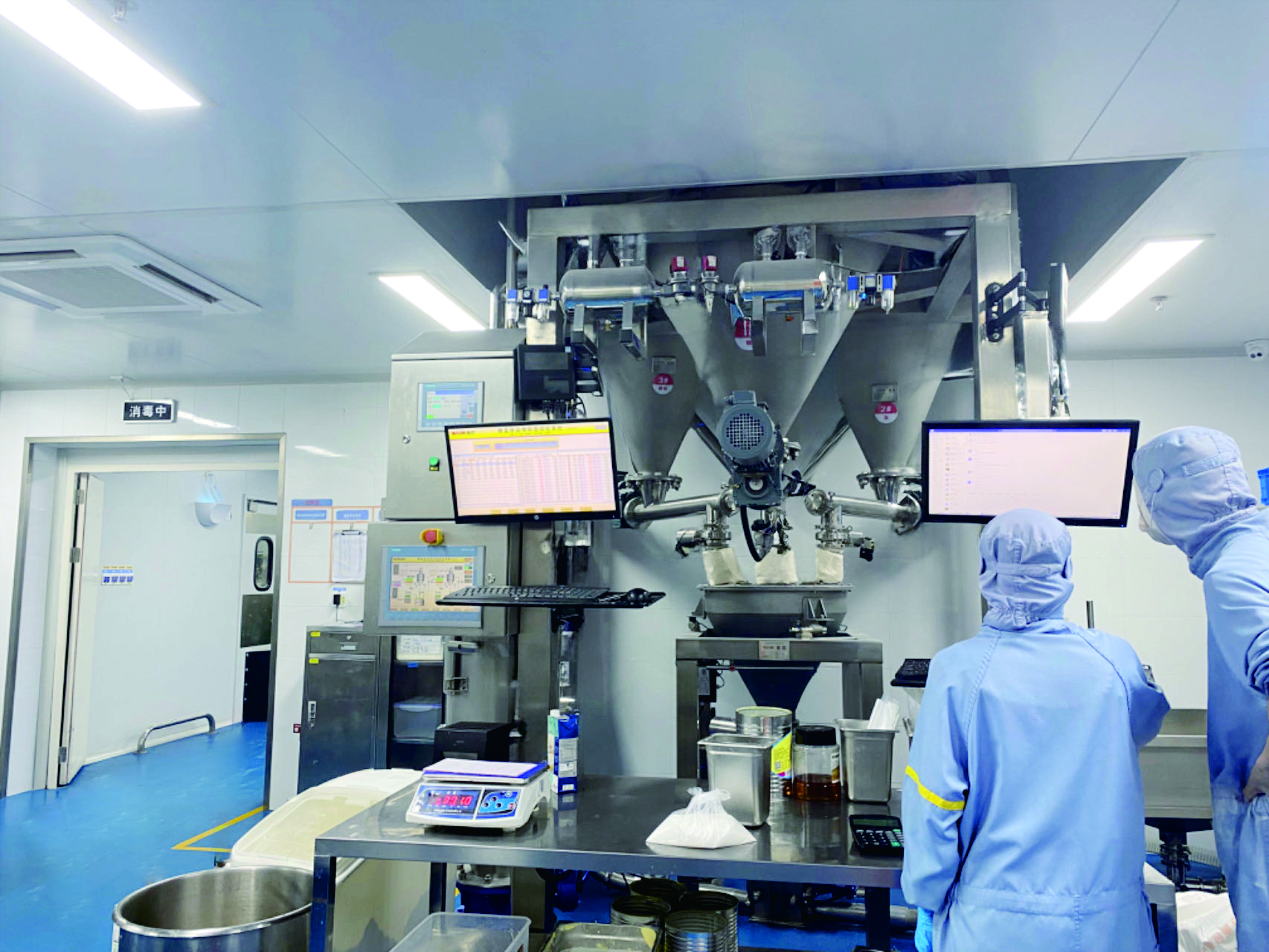
- After selecting ingredients based on system prompts (displaying ingredient name, batch, target weight, etc.), operators must scan the QR code on ingredient packaging using an industrial-grade scanner. If the scan does not match recipe information, the system triggers audible and visual alarms while locking the process to prevent incorrect additions.
- After ingredient confirmation, the operator places the mixing container onto the high-precision weighing platform (accuracy ±0.1g). The system automatically performs tare and enters weighing mode.
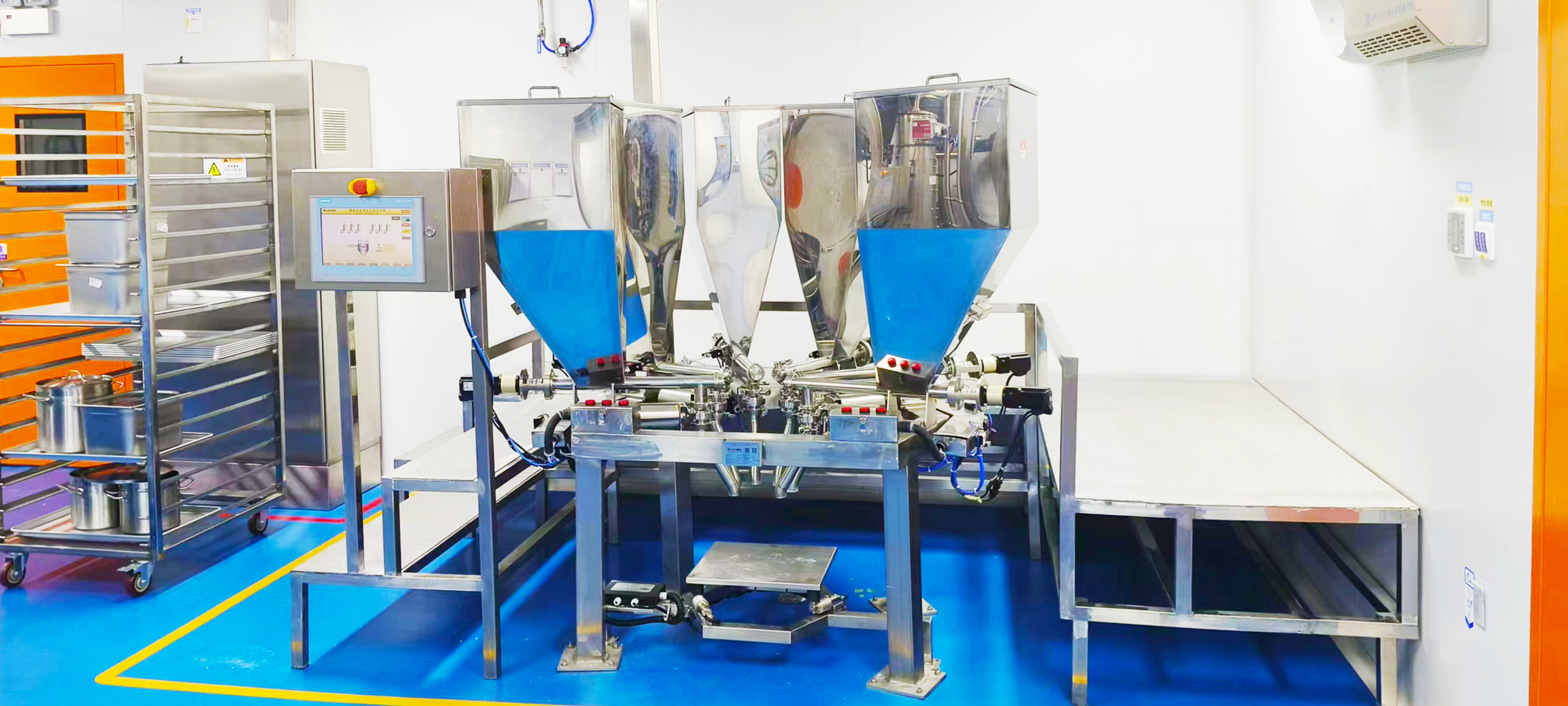
Weighing Verification and Data Recording
- Operators retrieve materials from validated bags, with the system displaying real-time weight deviation from the target value. When weight falls within the permissible tolerance range, the system automatically records data (including operator ID, timestamp, actual weight, etc.) and uploads it to the central database.
- If the deviation exceeds tolerance, the system continues real-time weighing until the weight qualifies, ensuring each batch meets process standards and effectively eliminating uncontrollable human factors.
Label Printing and Full-Process Traceability
- Upon completion of ingredient mixing, the system generates a unique QR code label via a thermal printer. This label contains information such as recipe name, raw material batch, weight, and production time. Affixed to the mixing container, it serves as an “identity card” for subsequent processes.
- During production feeding, operators scan the label QR code. The system automatically links ingredient data with production line batch information, enabling full traceability from raw materials to finished products.
Technical Highlights and Implementation Outcomes
- Smart Error Prevention and Efficiency Enhancement: Through QR code verification and real-time weighing feedback, ingredient error rates have dropped to 0.02%, while single-batch mixing time has been reduced by 30%.
- Data Integration and Traceability: Seamless integration with SAP enables real-time synchronization of production data to the enterprise ERP system. Supports one-click generation of batch traceability reports, meeting ISO 22000 and HACCP certification requirements.
- Human-Machine Interaction Optimization: Industrial-grade touchscreens and voice prompts simplify operations, reducing new employee training from 7 days to 2 days.
Application Value
Following system implementation, the company achieved standardized manual ingredient batching and digitalized quality control. Batch consistency reached 99.9%, with customer complaint rates consistently maintained at low levels. Concurrently, annual production cost savings significantly exceeded projections through reduced raw material waste and rework expenses. This case provides a replicable solution for intelligent small-ingredient management in the food industry, particularly suited for high-precision batching scenarios in food processing, plastics/chemicals, and new energy sectors.